Best Canary Island: 8 Stunning Islands Compared
Scattered across the Atlantic Ocean off the northwest coast of Africa, you will find the Canary Islands, a Spanish archipelago, despite their proximity to Africa, are firmly rooted in Europe. All of the Canary Islands islands are of volcanic origin. There are 7 main islands, or 8 if you count the newest island, La Graciosa.
Over tourism in the 1990s shaped the Canaries’ reputation for package holidays, but there’s far more beneath the surface. From volcanic landscapes, golden beaches, cloud-piercing mountains, and and prettiest Canary Island towns, all coexist, within a deep-blue archipelago where each island offers a distinct personality and character.
Choosing the best island in Canary Islands can be a bewildering. The answer depends less on geography and more on what kind of experience you seek: is it relaxation? Adventure? Culture, the prettiest Canary Island or nature beauty? Or a mix of all?
Fuerteventura and Lanzarote are generally the warmest Canary Islands. Given their flatter terrain and proximity to the African continent, resulting in long, sunny days and mild winters. Both enjoy consistently high temperatures year-round, with summer highs around 28–30°C and mild winters averaging 20–22°C.
Spring (April to June) and Autumn (September and October) are considered the best times to visit the Canaries. They offer a perfect balance of pleasant temperatures, ranging from the low 20s to high 20s °C (70s–80s °F), fewer crowds, and reasonable prices.
Summer (July and August) is ideal if you are after warmer sea temperature and a more lively vibe.
Due to Canary islands year round subtropical climate, they also make a great winter sun destination (November through February) .
For festivals and a blend of art, culture, and a vivid atmosphere, the best months to visit, especially in Tenerife, are February and March.
1Tenerife: The One That Has It All
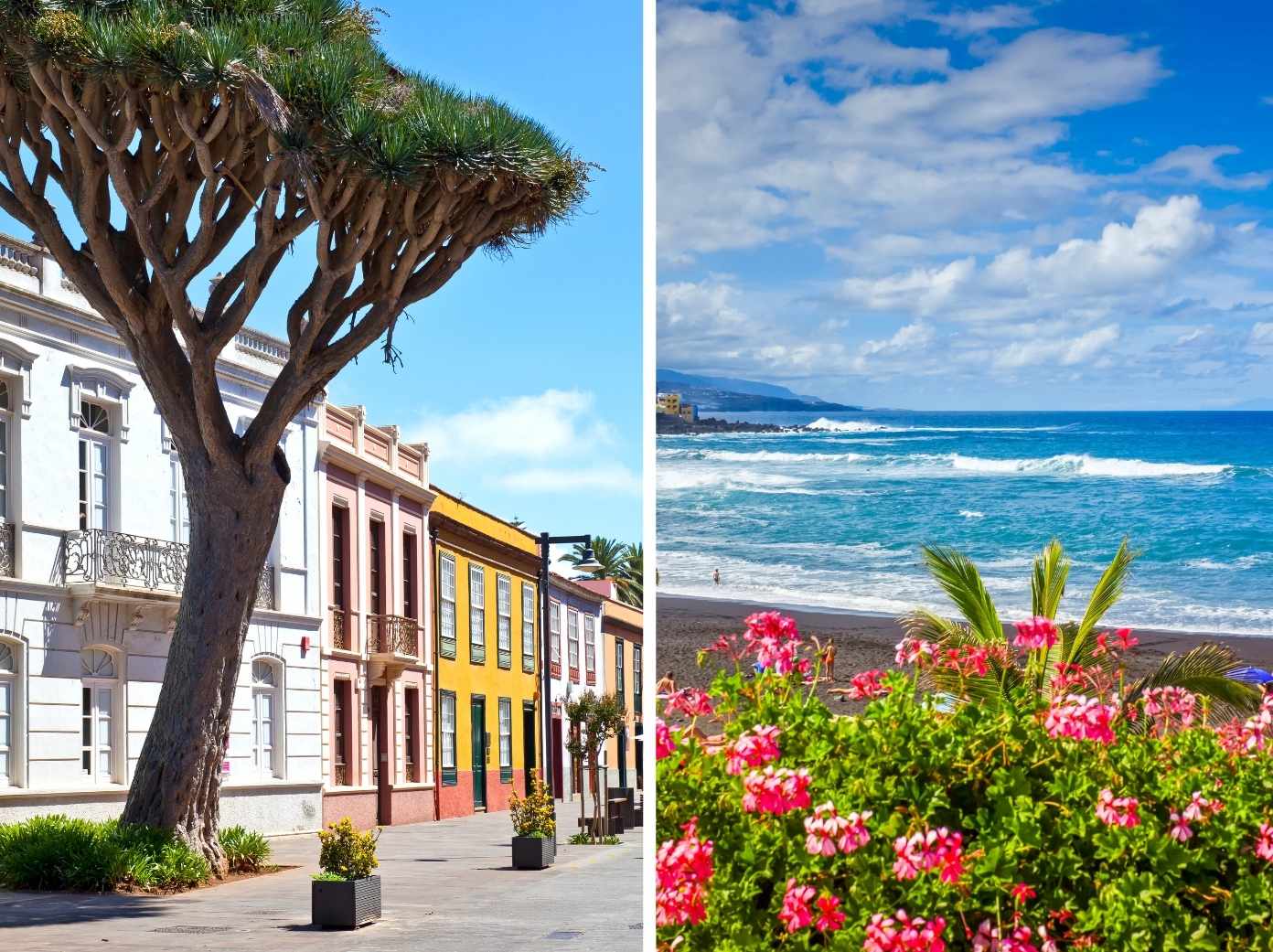
Best For: Because it has it all, perfect for all types of travel, families, solo, couples
Often topping lists as the best island in Canary Islands and the nicest Canary Island, Tenerife impresses with its beaches, vibrant cultural scene, excellent hotels and nature beauty.
- South Tenerife: The south is generally warmer, sunnier, and drier and better suited if you are seeking luxury resorts, beautiful beaches and nightlife.
- North Tenerife: The north is cooler, greener environment with lush forests, smaller charming towns, offering a more traditional experience.
What To Do In Tenerife
Southern Tenerife’s beaches are the most popular thanks to reliable sunshine, with Los Cristianos and Costa Adeje leading the way. Quieter alternatives include El Médano, Abades, and El Puertito.
On the Northern side of the island, discover the hidden gems such as Garachico’s historic cobblestone streets and natural pools, the colourful UNESCO-listed town of La Laguna, and the dramatic mountain village of Masca. Santa Cruz de Tenerife, the capital of the Canary Islands, along with the nearby Puerto de la Cruz offers a charming, relaxed atmosphere with traditional Canarian charm.
Rugged nature is what dominates the island’s heart. Take a cable car to the peak of Mount Teide, the third-largest volcano in the world and Spain’s highest point. Explore a local winery in the Orotava Valley, home to the majority of Tenerife’s vineyards.
Visit between February and March for the world’s second-largest carnival after Rio de Janeiro Carnival of Santa Cruz.
As the largest and most developed of the Canary Islands, Tenerife combines the vibrant energy of the south with the natural beauty of the north, earning its reputation as the best island in Canary Islands.
2Fuerteventura: Best For Beaches
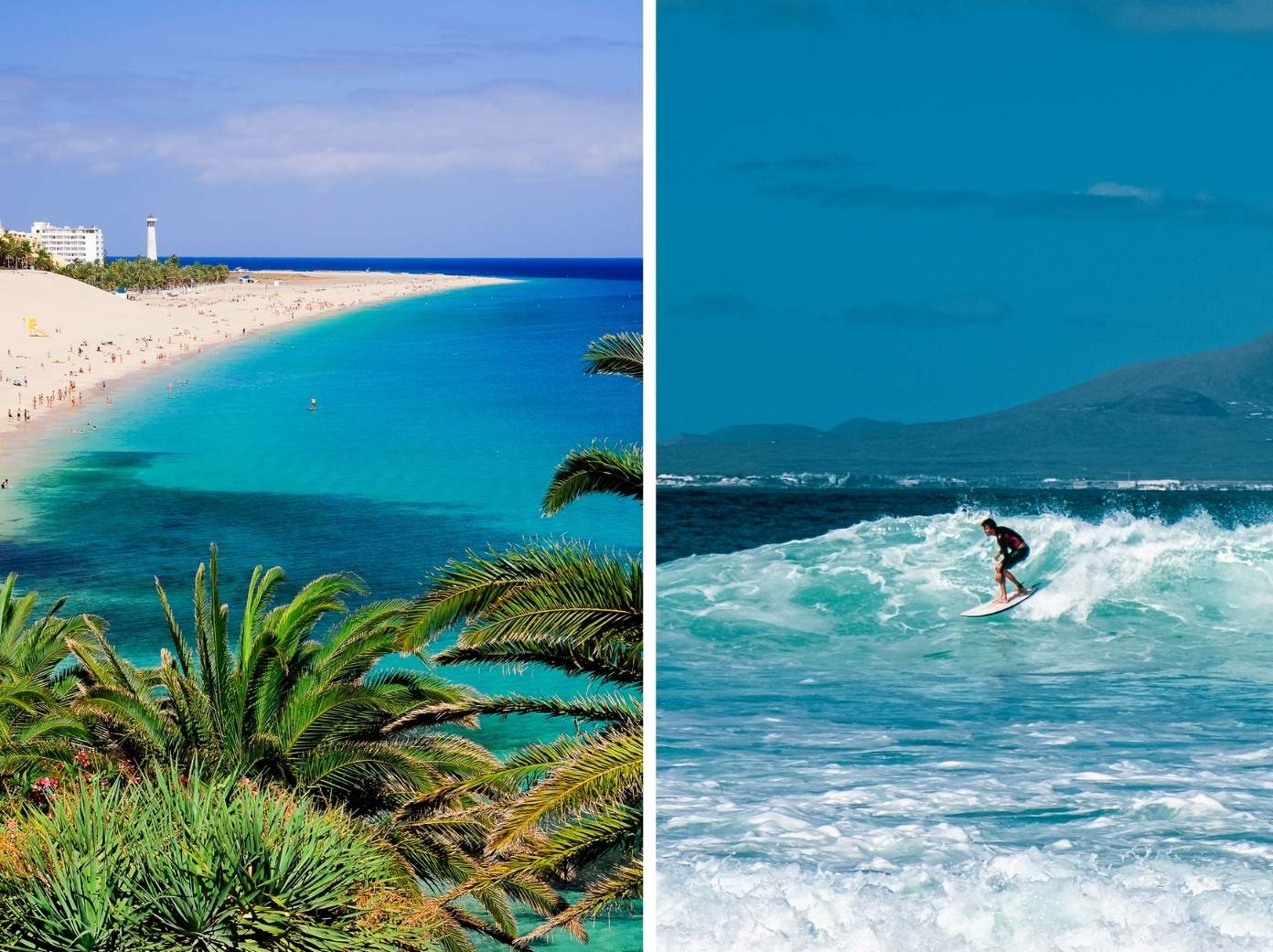
Best For: Beaches, warmest of the Canary Islands, quieter, less crowded of the Islands
Fuerteventura is the best island in Canary Islands for beaches. It is famous for its extensive coastline, boasting over 150 beaches, from long stretches of golden sand, crystal-clear waters to quiet coves and dramatic volcanic shores.
Less crowded than Tenerife and Gran Canaria, Fuerteventura offers a quieter and a more laidback vibe. As the warmest of all the Canary Islands, it enjoys endless sunshine all year round.
What To Do In Fuerteventura
Fuerteventura is a paradise for water sports enthusiasts, it is amongst one of the top places in the world for kitesurfing and windsurfing especially around Playa de Sotavento. While snorkeling and scuba diving provide fantastic ways to explore its rich marine life.
Among its many beaches, Grandes Playas de Corralejo stands out as the crown jewel, featuring vast golden sands, clear turquoise waters, stunning dunes, and lively beach bars. It is also a family friendly island with Corralejo and Caleta de Fuste offering some of the best family resorts with easy access to the beaches.
Head Inland, for some of the prettiest villages, their beauty lies in the simplicity, imagine whitewashed houses, palm-lined plazas, old windmills. Explore villages Betancuria, La Oliva, and Ajuy for see the island’s slow pace of life.
Here, goats roam free – it is said that goats outnumber locals on this Canary Island, which can be seen in its local food. Fuerteventura is renowned for its Majorero goat cheese which is best some seafood. Make a stop at La Antigua, which is the best place to try Fuerteventura’s famous Majorero goat cheese, here you will find traditional cheese farms which offer tours and tastings. Adding to why many consider Fuerteventura the prettiest Canary Island and truly one of the best Canary Islands to visit.
3Gran Canaria: Diverse Landscapes
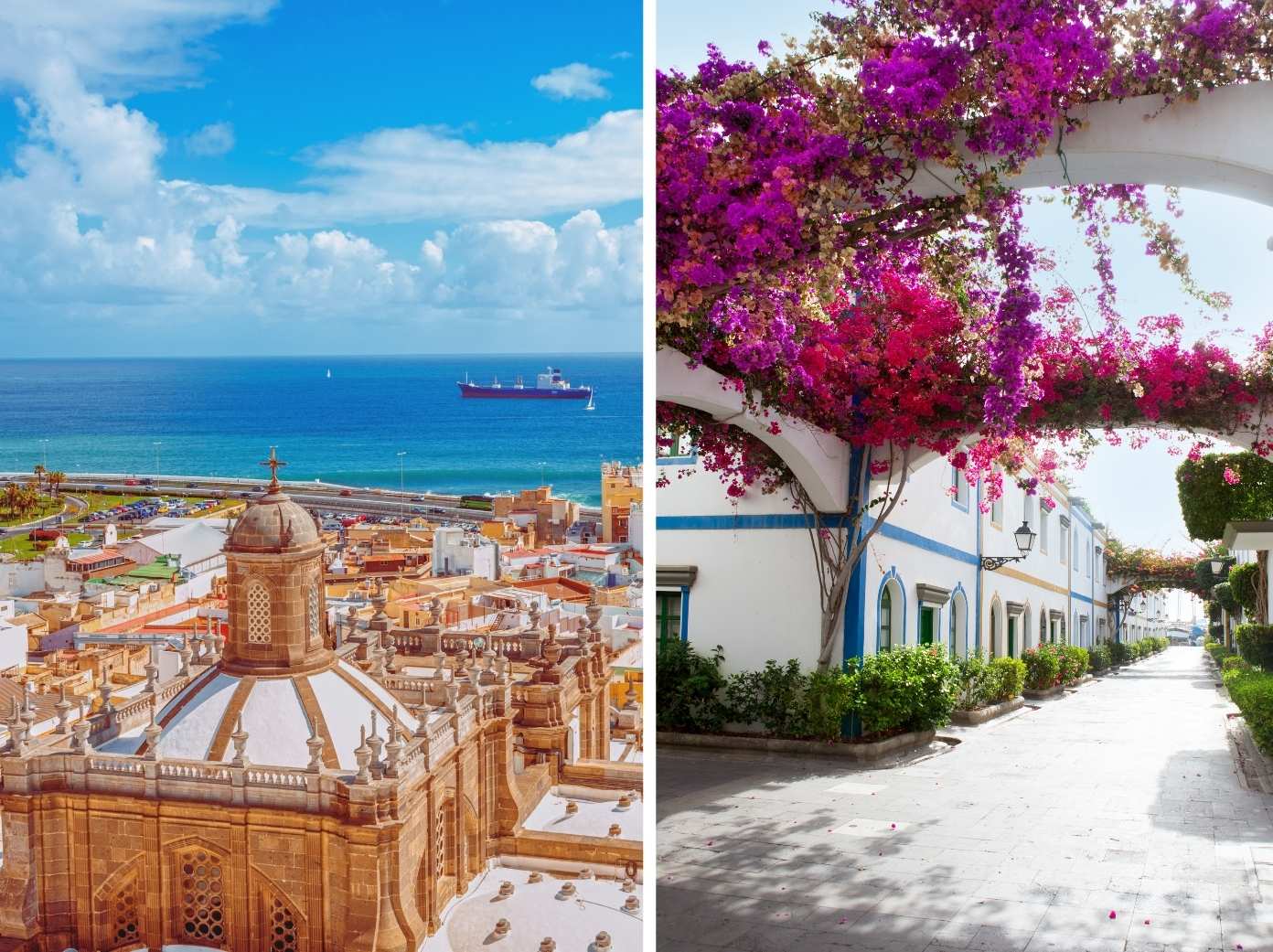
Best For: Natural beauty with lively culture and excellent infrastructure, has a bit of everything for families, couples, adventure seekers
Gran Canaria is the most visited Canary Island. As the third-largest island, Gran Canaria is known for its unbeatable diversity, from beaches, mountain hikes and exploring lively towns, it offers a unique mix that few other Canary Islands can match, which is why many travelers consider it the best island in Canary Islands.
What To Do In Gran Canaria
Las Palmas (Capital City) : The island’s vibrant capital city Las Palmas is full of life and culture, it is home to countless bars, restaurants and attractions, all within easy reach of some of the island’s best beaches.
It also boasts important historical highlights, including the 15th-century Cathedral of Santa Ana and the 18th-century Casa de Colón, adding depth and heritage to its lively urban atmosphere – ne reason Gran Canaria is often ranked among the nicest Canary Islands.
Gran Canaria’s volcanic origins are evident at the Caldera de Bandama, a striking crater near Las Palmas, while the island’s fertile volcanic soil supports thriving banana plantations, celebrated at Banana World (Museo del Plátano) near Arucas.
Mountainous Inland : The island’s mountainous interior boasts rugged hiking trails, picturesque villages such as Tejeda and Teror, and stunning natural landmarks like Roque Nublo, ideal for adventure and nature lovers seeking what many call the prettiest Canary Island landscapes.
Southern Coast : The southern coast of Gran Canaria is warm and sunny, it is home to expansive beaches like Maspalomas and Playa del Inglés. Rolling dunes in Maspalomas provide a sharp contrast to pine forests and deep ravines inland. It is also a favorite spot for families and couples, offering a great balance of beach resorts and nightlife.
Northern Coast : Offers a more laid back, traditional pace of life. It is home to charming towns such as Agaete and Arucas, known for their traditional Canarian architecture and local character. The north is also a hotspot for surfing, that helps cement Gran Canaria’s reputation as a best Canary Island for all types of travelers.
4Lanzarote: The Volcanic One
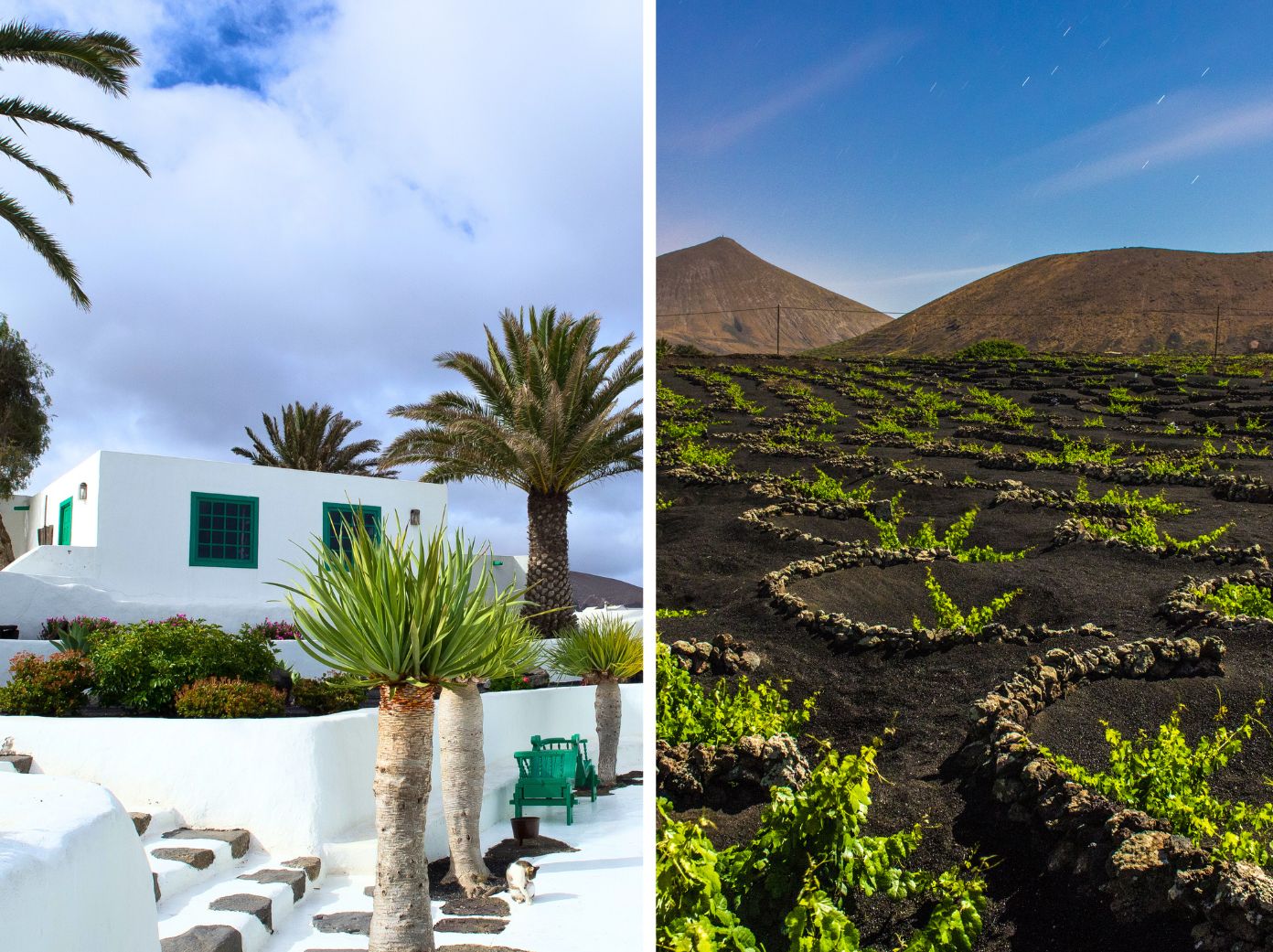
Best For: Surreal volcanic landscapes, adventurers and wine lovers
Lanzarote feels like a slice of another world, where over 300 volcanic cones form a lunar landscape you surely won’t find anywhere else in he world. Due to this dramatic scenery Lanzarote is often hailed as the prettiest Canary island for its raw, untouched beauty.
What To Do In Lanzarote
Timanfaya National Park showcases raw volcanic power of the island with its geothermal demonstrations and extensive lunar-like lava fields. Visit the Islote de Hilario viewpoint, where you can see the vast volcanic landscape stretching for miles.
Among Lanzarote’s natural wonders are the mesmerizing volcanic tunnels of Jameos del Agua and Cueva de los Verdes. Jameos del Agua is a unique volcanic cave featuring a restaurant, lush gardens, and a natural underground lagoon inhabited by rare albino crabs. Nearby, Cueva de los Verdes boasts one of the longest volcanic tunnels in the world.
The island’s vineyards tell another volcanic story. In La Geria, vines thrive in sunken pits shielded by stone walls, rooted in rich volcanic soil and nurtured by Lanzarote’s arid climate. Here, Bodega El Grifo stands as a testament to centuries of winemaking tradition, making this region a must-see for wine lovers.
Lanzarote’s black sand beaches like Playa de Janubio, and El Golfo, offer quite a striking experience. With such unique landscapes and rich cultural treasures, Lanzarote truly shines as one of the best islands in Canary Islands to explore and savor.
5La Gomera: The Authentic Destination
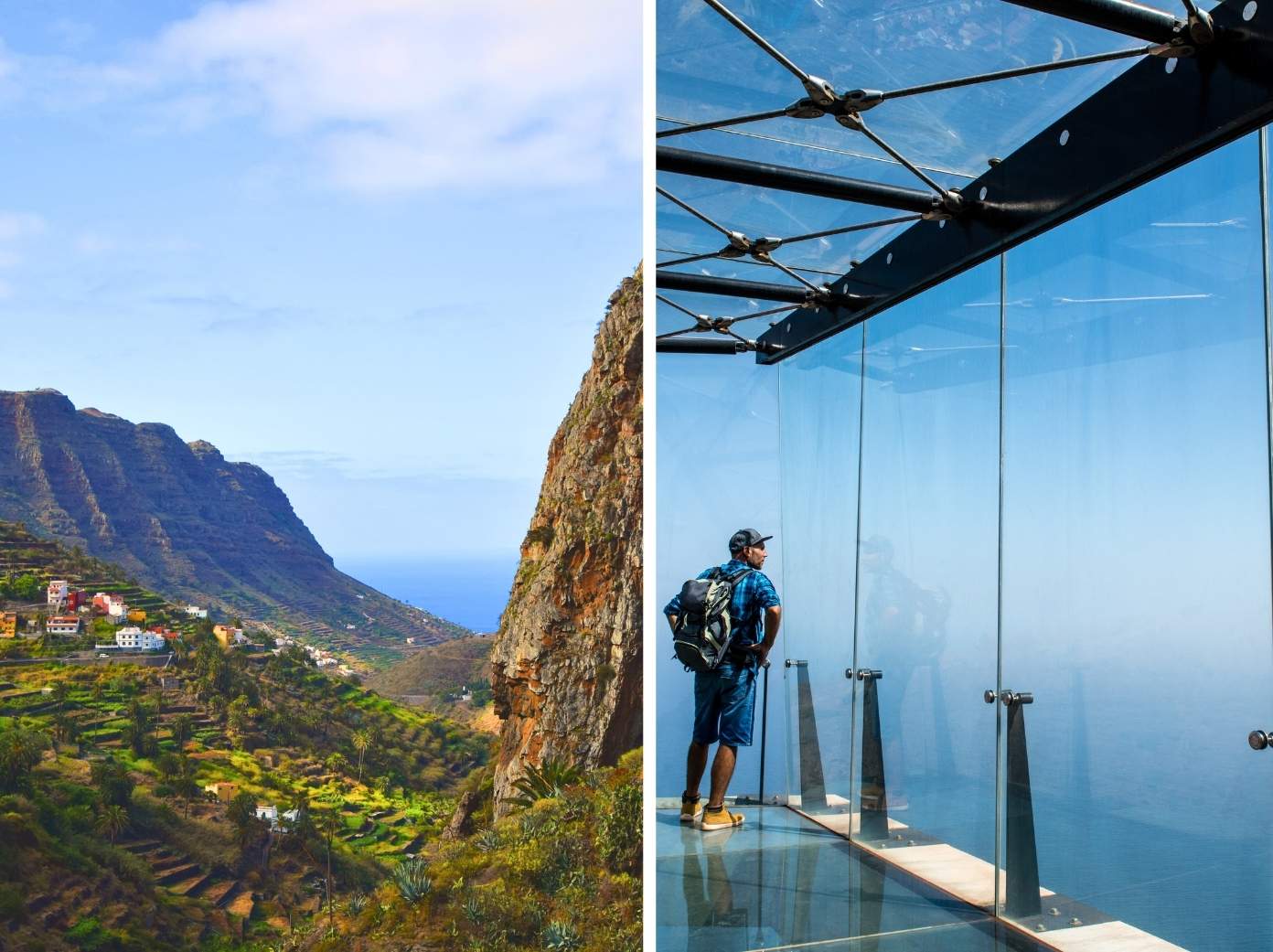
Best For: Hikers, nature lovers, and quiet adventurers at heart.
Just 50 minutes by ferry from Tenerife is La Gomera, this Canary Island is the perfect island to pair with your visit to Tenerife for a peaceful getaway. This small island is just 22 miles across, and is one of the most untouched yet accessible Canary Islands showcasing the archipelago at its most authentic far from the tourists crowds.
What To Do In La Gomera
La Gomera is a nature lovers and hikers dream with over 400 miles of trails that take you through forests via hidden valleys and dramatic volcanic landscapes. One of the main things to explore in La Gomera is the Garajonay National Park, a UNESCO World Heritage Site, renowned for its ancient laurel forest which is a rare misty woodland that dates back to millions of years.
After a day of exploring, there’s nothing better than unwinding on the island’s sun-kissed beaches like Playa de Santiago and Playa de San Sebastián, where turquoise waters meet golden sands. Don’t leave this island without walking the Mirador de Abrante, and viewing the sea and valley below its glass walkway.
La Gomera also offers the perfect opportunity to explore traditional colorful Canarian villages nestled in valleys and along the coast such as Agulo, Vallehermoso, and Hermigua, which are lined with whitewashed houses, cobblestone streets, and colorful village square.
If what you crave unspoilt nature, especially while in Tenerife, then La Gomera is your must-visit Island as it stands out as the best Canary Island for a slower-paced and deeply relaxing escape.
6La Palma: The Prettiest One
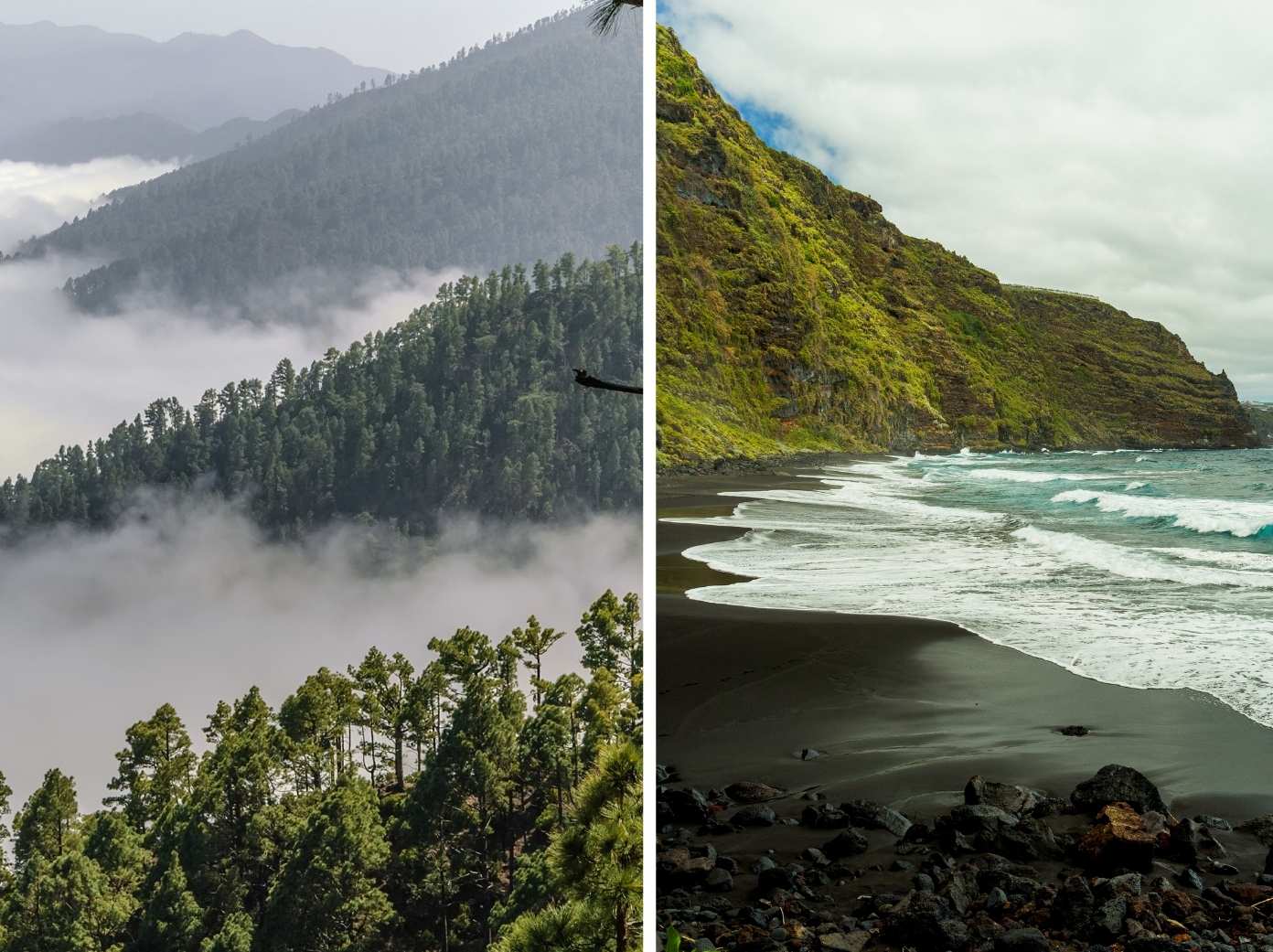
Best For: Hikers, black sand beaches, outdoor activities, astronomic and archaeological enthusiasts.
La Palma is known as the “La Isla Bonita” which translates to the prettiest Canary Island thanks to its unique blend of dense forests and dramatic volcanic terrain. As the greenest of the archipelago it is the great option for outdoor activities such as hiking, including canyoning, mountain biking, and diving. La Palma’s strong focus on eco-tourism and sustainable travel helps preserve its nature and authenticity.
What To Do In La Palma
Caldera de Taburiente National Park, a massive volcanic crater surrounded by towering cliffs and forests offers some of the most epic hikes, viewpoints with waterfalls dotted throughout the hike.
Higher up at nearly 2,400 meters, Roque de los Muchachos rewards you with breathtaking views above the clouds. Located within a UNESCO Starlight Reserve, it offers some of the best conditions for stargazing. Roque de los Muchachos is also home to one of the best observatories, with the largest optical-infrared telescope in the world on site.
La Palma is not the island for long sandy beaches, however you will find raw beauty with black volcanic sand beaches. Playa de Nogales is one of the most stunning black sand beaches lined with dramatic cliffs while Puerto Naos is more accessible with a promenades and restaurants.
The colourful capital of Santa Cruz de La Palma is also worth a visit, known for its colonial architecture and lively plazas that offer you a glimpse into the local life, while the local markets offers you a chance to sample local foods.
7El Hierro: The Diving Destination
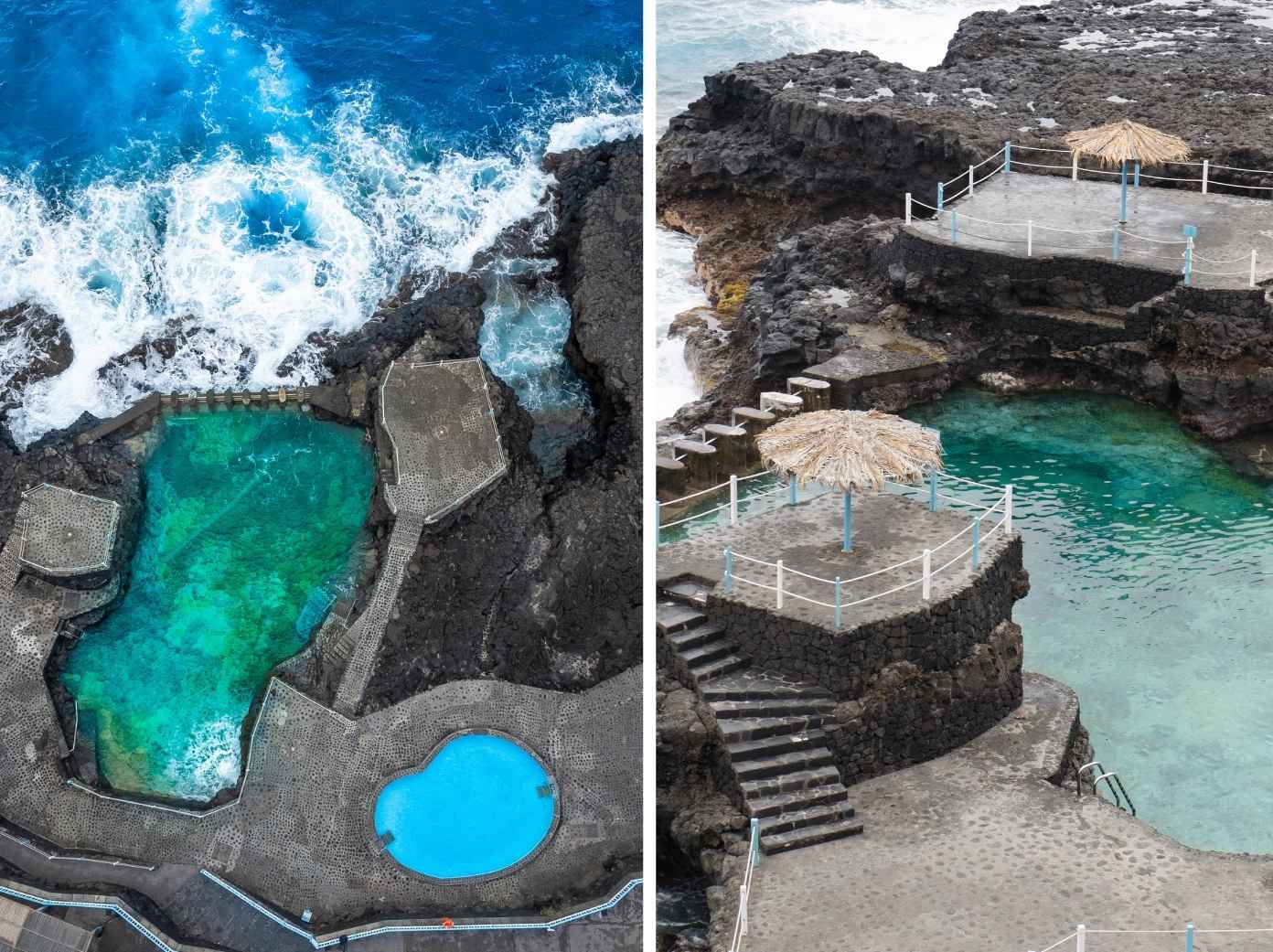
Best For: World renowned diving, natural pools, untouched nature, off the beaten path island
El Hierro is refreshingly undeveloped, it is the most western, youngest and small of the Canary Islands. Despite, the small scale of the island there is an impressive variety of scenery and is recognised as a UNESCO World Biosphere Reserve. With everything close at hand, you can dip into the ocean along the coast and, not long after, find yourself hiking through Canary Island pine forests or misty laurel woodland.
Although El Hierro has an airport it can also be reached via ferry from Tenerife (Puerto de la Estaca) in under three hours.
What To Do In El Hierro
With more than 40 dive points, El Hierro the best island in Canary Islands for diving, in fact it’s amongst the best in world. La Restinga Marine Reserve in particular is known for its year round clear visibility of up to 30 metres, with spectacular underwater volcanic landscapes to explore.
What El Hierro lacks in beaches is made up by striking natural pools, such as Charcos Azules known for its transparent, turquoise waters and La Maceta, which is perfect for families with sunbathing and picnic areas. El Hierro certainly rewards those willing to venture off the beaten path.
To experience El Hierro’s authentic Canarian culture visit village like Valverde and Frontera, where you can see the traditional architecture and sample fresh yet simple, local cuisine. Some of the highlights include fresh fish, traditional island cheeses used in the famous quesadilla dessert and tropical fruits like pineapples.
Where To Stay: Parador Hotel – Set between the mountain and the sea at Roque de Bonanza, this charming secluded hotel looks out over the Atlantic Ocean.
8La Graciosa: The Little Newcomer
Accessible only by a 30-minute ferry ride from Órzola in Lanzarote, La Graciosa is a tiny islet that was added to the list of the eight Canary Islands only in 2018. Giving off a delightfully untouched vibe, this island does not have an airport and minimal infrastructure.
Uncrowded beaches, turquoise waters and sandy tracks replace roads. Designated as a UNESCO World Heritage site, the island encourages slow exploration. Just hop on a bike and explore La Graciosa’s charm on two wheels, and maybe you’ll figure out why this may be the prettiest Canary Island.
The Final Verdict: Which Is the Best Island in Canary Islands?
Tenerife excels in variety and iconic landmarks; Fuerteventura dominates the beach scene; Gran Canaria balances city life and nature; while the smaller islands captivate with authenticity and serenity.
The best island in Canary Islands ultimately depends on your preferences and the type of holiday you seek. This beautiful cluster of Spanish islands offers a wide array of travel options, including culture, adventure, relaxation, and raw landscapes, all in a blend of pleasant weather, invigorating seas, and the vibrant Mediterranean sun.
In the end, that diversity is exactly what makes the Canary Islands unforgettable. So, it’s up to you to decide which is the best Canary Island – for you!
* All listings featured in this article were independently selected. However, when you book something through our links, we may earn an affiliate commission. All the images belong to the respective owners.