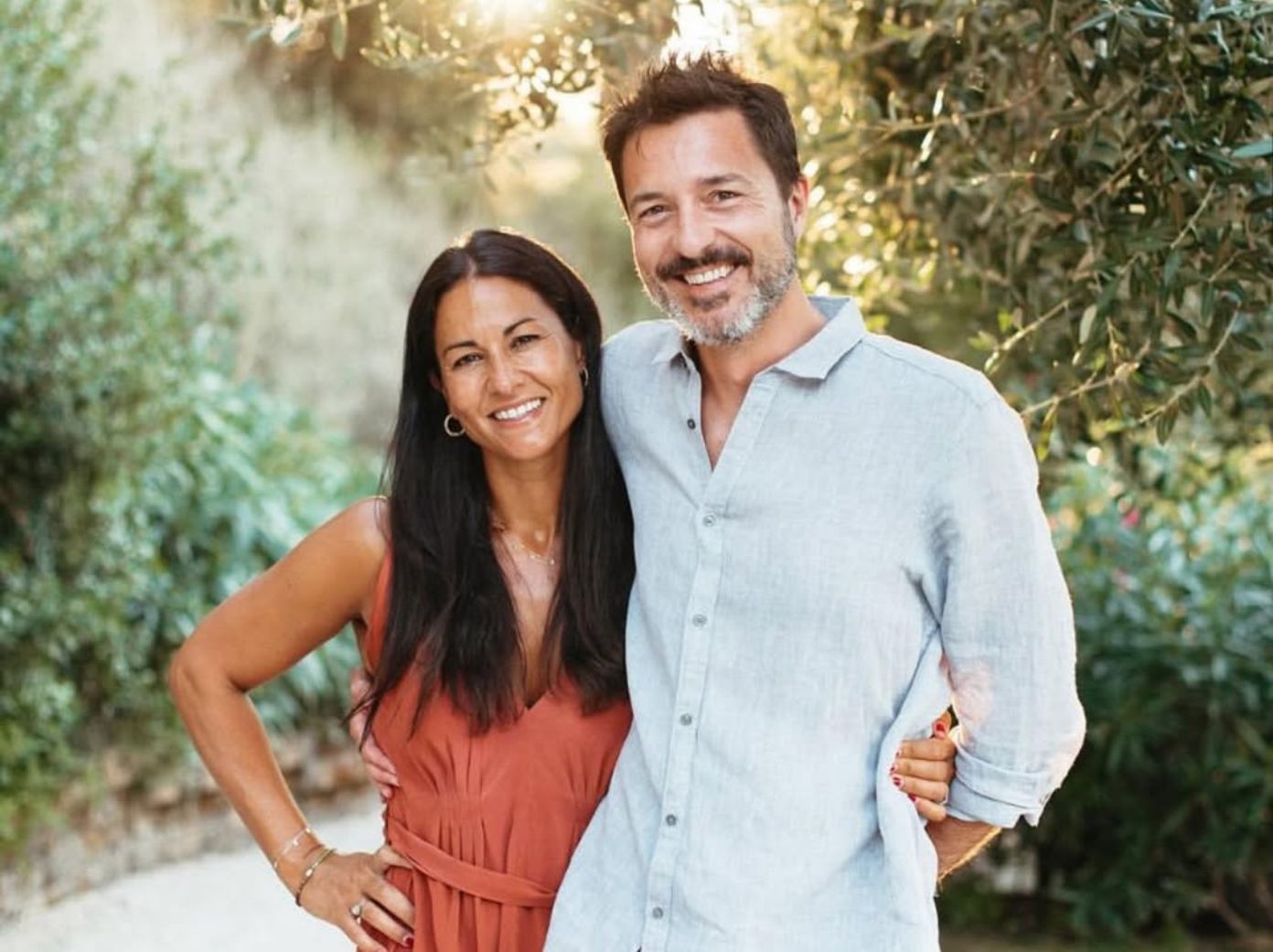
Meet Amanda Jennings: The Founder Putting Italy’s “Next Tuscany” on the Map with Oliveto Estate
There is a particular appeal to discovering a part of Italy that has yet to become a familiar name on every holiday itinerary. In Le Marche, Oliveto Estate offers an opportunity to look at Italian hospitality from a different perspective, with a story that begins long before you arrive.
For founder Amanda Jennings, creating Oliveto was a personal project, shaped by her connection to the area and the vision she wanted to bring to life. The result is an estate with its own identity, reflecting the thought and intention behind the project rather than a formula for what an Italian escape should be.
We spoke to Amanda about how Oliveto Estate came to be, what makes Le Marche a potential rival to Tuscany, from its hilltop villages and Adriatic coastline to its food, artisan traditions and year-round experiences, and how Oliveto Estate offers a way to discover it.
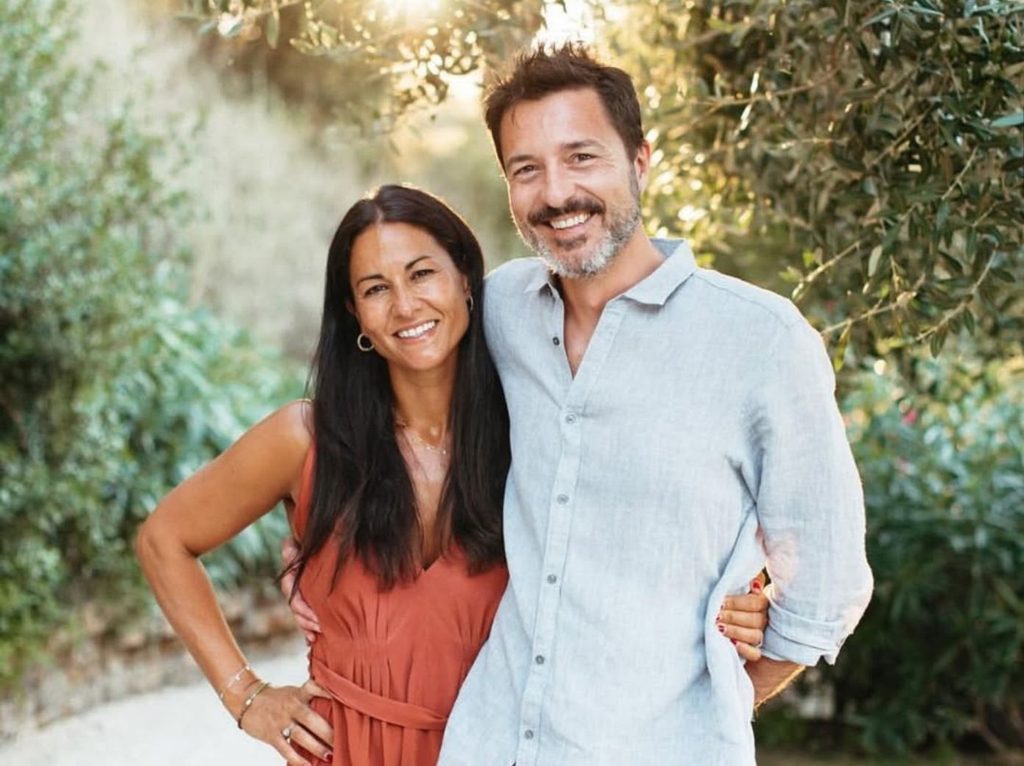
What inspired you to create Oliveto Estate, and what did you hope people would experience there that they might not find on a typical Italian holiday? Oliveto grew from deep roots. My Nonna, my mum and many generations before them were born in Le Marche and spent formative years on this land. I grew up alongside my Nonna and her yoga book. Wellness was never a trend in our family; it was simply part of an Italian upbringing: good food, good people, time outdoors and real connection. In her house everyone had a place at the table or in the vegetable grove, and that is still how we live. Long before Oliveto was a business, friends and family who stayed never wanted to leave. They went home completely restored, and they always wanted to return. They found a stillness here in Le Marche; they hadn’t found elsewhere. We wanted to share that, and to keep this place in the family for generations to come. Having been to many retreats myself, I also saw how hard it can be to go somewhere off the beaten track and have to work everything out yourself. So when we opened Oliveto in 2018, I wanted to solve that: to give guests the quiet of a little known region with immediate access to the best of it, from the artisans and growers to the food and the places we know personally and have chosen with care. Slow travel is at the heart of it. A typical Italian holiday rushes you past a place. Here you have time to restore, time to get to know the people, and time to really feel the region. Like my Nonna, I want everyone who comes here to feel looked after, and to leave knowing the people of the land I grew up with. |
Le Marche is still relatively under the radar compared with Tuscany and the Amalfi Coast. What do you think people misunderstand about the region, and what might surprise someone visiting for the first time? People often call Le Marche “the next Tuscany”, and I understand why: the rolling hills, the hilltop towns and the vineyards are just as beautiful. But that misses what makes it special. Le Marche has its own character, and feels the way Italy’s best loved regions must have felt thirty or forty years ago, before the world discovered them. Daily life still runs to its own rhythm: the morning market, the village bar, the family lunch that lasts all afternoon. Le Marche is one of Italy’s smaller regions, yet it is remarkably diverse, which is why it is often described as “Italy in one region”. In less than an hour you can travel from the clear water and sandy beaches of the Adriatic, through olive groves, vineyards and medieval hilltop towns, to the peaks of the Sibillini mountains. From the villa, you can swim in the sea, hike in the mountains and eat in a medieval village, all in the same day. For anyone who loves the outdoors, the landscape is remarkably unspoilt. There is the Sibillini national park, with its peaks, gorges and alpine meadows, along with the crystalline 170km of coastline and the natural reserve of Monte Conero and its white cliffs and turquoise coves, the dramatic Furlo gorge and the Frasassi caves. The other surprise is how much of the Italian slow way of life is still going. This is slow food and slow wine country in the truest sense: small family vineyards, cheesemakers, olive mills and growers who have worked the same land for generations, and who still welcome you in to taste what they make and tell you how they make it. The same is true of its crafts. The lacemakers of Offida still work by hand in the streets, the majolica potters of Urbania still paint as they did in the Renaissance, and the area around Fermo and Macerata remains one of Italy’s great shoemaking district making incredible pieces for brands such as Tods, Hermes, and Louis Vuitton. And because there are no crowds, you are welcomed as a guest, not processed as a tourist. |
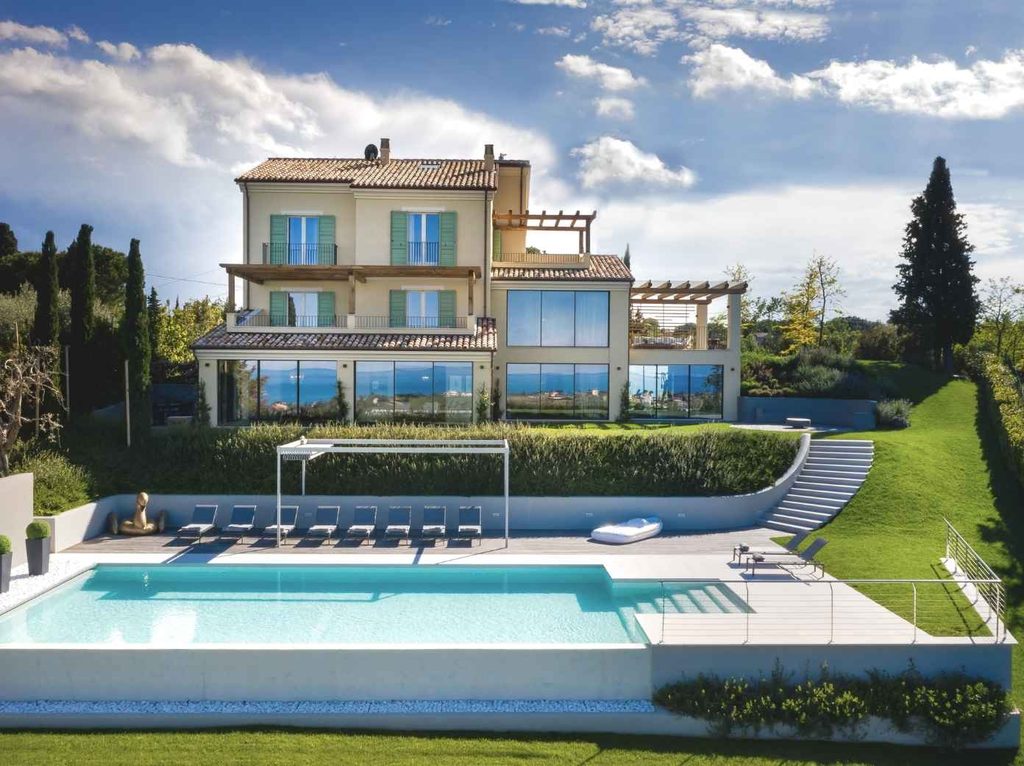
Oliveto offers both private villa stays and hosted retreats that individuals can book onto without organising a group themselves. How do these two experiences differ, and who do you think each is best suited to? Private stays are perfect for families, friendship groups and celebrations who want the estate, or one of our two villas, entirely to themselves. They want privacy and the freedom to set their own rhythm, without the work of planning it. It is their private place, with hotel services. Hosted retreats are led by wonderful teachers or facilitators, and guests can book a place individually. They are perfect for people travelling solo, or anyone who wants a structured programme around a practice such as reformer Pilates, yoga, breathwork or nutrition. Both share the same heart: the same estate, the same food, the same local people and the same care. The difference is simply whether you want to create your own stay or join one that has been created for you. |
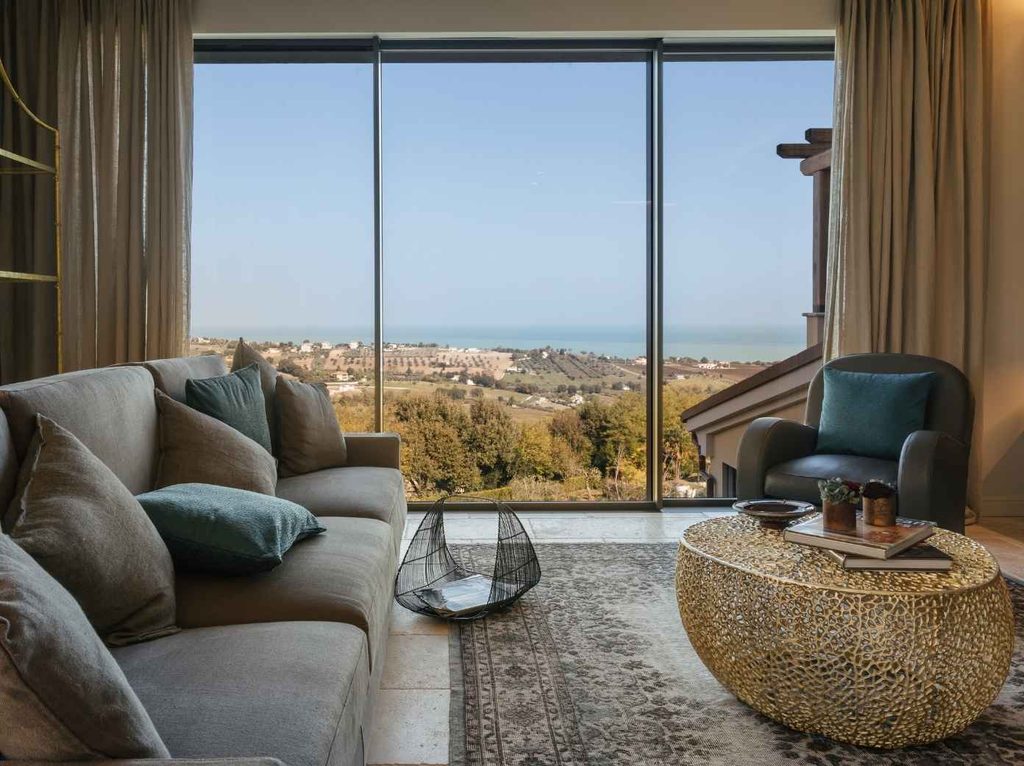
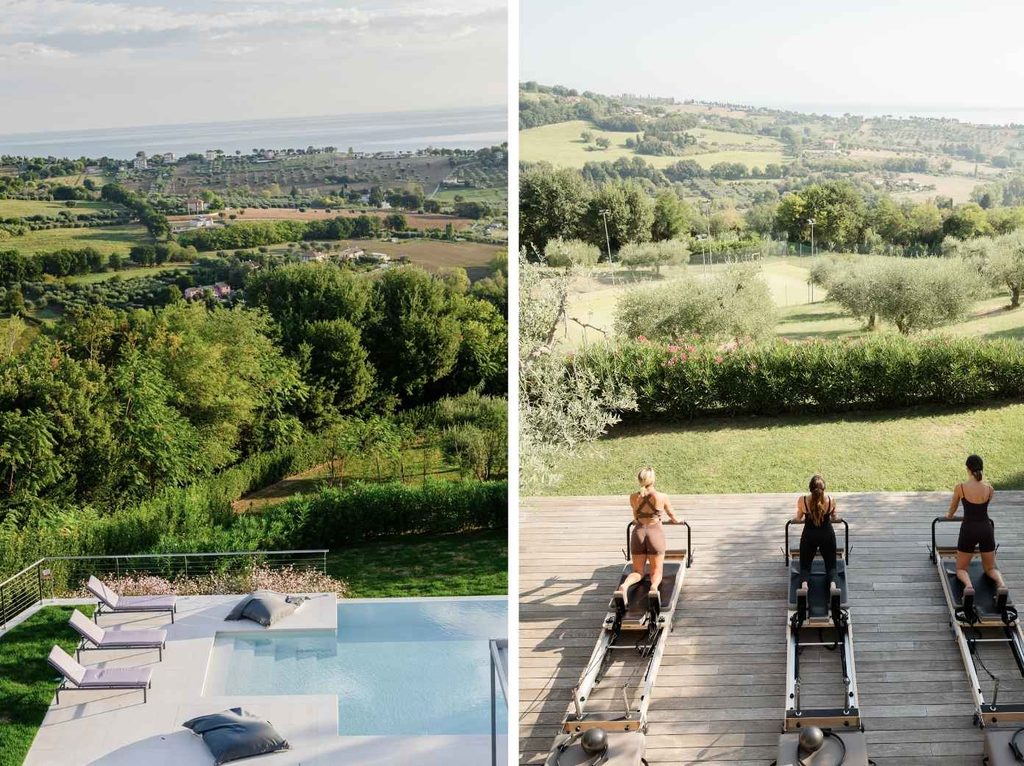
A retreat at Oliveto can involve anything from morning Pilates to cycling through the countryside and discovering local food. What might a typical day look like, and how do you balance planned activities with time to enjoy the estate at a slower pace? Every retreat is different, yet every day is designed with balance in mind. Days often begin with movement: reformer Pilates or yoga in the studio, overlooking the olive groves. Brunch is long and unhurried, with local fruit, seasonal salads, homemade breads and eggs of the day. We usually alternate the rhythm of the week. On restorative days, the experiences come to you: a sound bath in the studio, a pasta making class with our private chef, or a workshop with a local maker, printing a silk scarf with leaves foraged on the estate or pressing flowers into clay with a potter. On discovery days, guests head out into the region: cycling quiet roads through the hills, following the truffle hunters into the woods, tasting wine with a family vineyard, exploring a medieval hilltop town or spending a day hiking by the sea. Then comes space: time by the pool, a massage, a book under the olive trees, or a walk into Civitanova Alta for a coffee in the piazza. The day ends where every good Italian day ends, around one long table, with food from our private chef and conversations that run late. |
Food is such an important part of experiencing Italy, and Le Marche has a distinctive culinary identity of its own. How do local ingredients, regional dishes and the people producing them shape the food experiences at Oliveto, and which local specialities should visitors make a point of trying? Food is at the centre of everything we do. Le Marche sits between the mountains and the sea, so its cooking brings both together: truffles, game and cured meats from the hills, and fish and seafood from the Adriatic. In between are the fields and orchards that feed the region: vegetables, fruit, lentils and other pulses, olive oil and wine, all grown nearby and eaten in season. Our private chef cooks only with what the season brings, using ingredients grown and produced a few kilometres from the villa by people we know. The menu in spring looks nothing like the menu in autumn, and that is exactly how it should be. We also take guests to meet those people. They follow the truffle hunters and their dogs into the woods, taste wine with the families who make it, make fresh pasta by hand, and in autumn they pick olives during the harvest and taste the new oil. When you have met the person who grew or made what is on your plate, every meal means more. As for what to try: olive all’ascolana, the stuffed and fried olives from Ascoli Piceno; vincisgrassi, Le Marche’s own rich baked pasta; brodetto, the Adriatic fish stew; and ciauscolo, a soft, spreadable salami. To drink, a crisp Verdicchio with fish, a Rosso Conero with meat, and a small glass of vino cotto to finish. |
Oliveto is open throughout the year, offering a different experience of Le Marche beyond the traditional summer holidays. How does the region change with the seasons, and when would you particularly recommend visiting?
We stay open year round by choice. Too much of Italy is crowded into a few famous places in a few peak months. Le Marche has four truly distinct seasons, and each one shows you a different region.
Spring is when the hills turn green and the wildflowers come out, perfect for walking, cycling and wellness. In early summer the lavender blooms. Summer brings fields of sunflowers across the hills, the sea close by and long days by the pool. It is a wonderful time for families and balmy evening aperitivos around the firepit.
Autumn brings the olive harvest, truffle season and the grape harvest, as the hills turn gold and every village seems to be celebrating its food. Winter is quiet, warm and full of tradition. There are Christmas markets in the hilltop towns, and nativity scenes in the villages, some of them living nativities performed by the whole community. Up in the Sibillini mountains there is skiing, with cosy mountain lodges for lunch. Back at the estate, it is the season for slow cooking, craft workshops, spa time and long evenings by the fire.
If you really want to know Le Marche, you need to experience all four. Its diversity is its richness: the same hills look and taste completely different from one season to the next, and every visit gives you a new reason to come back.
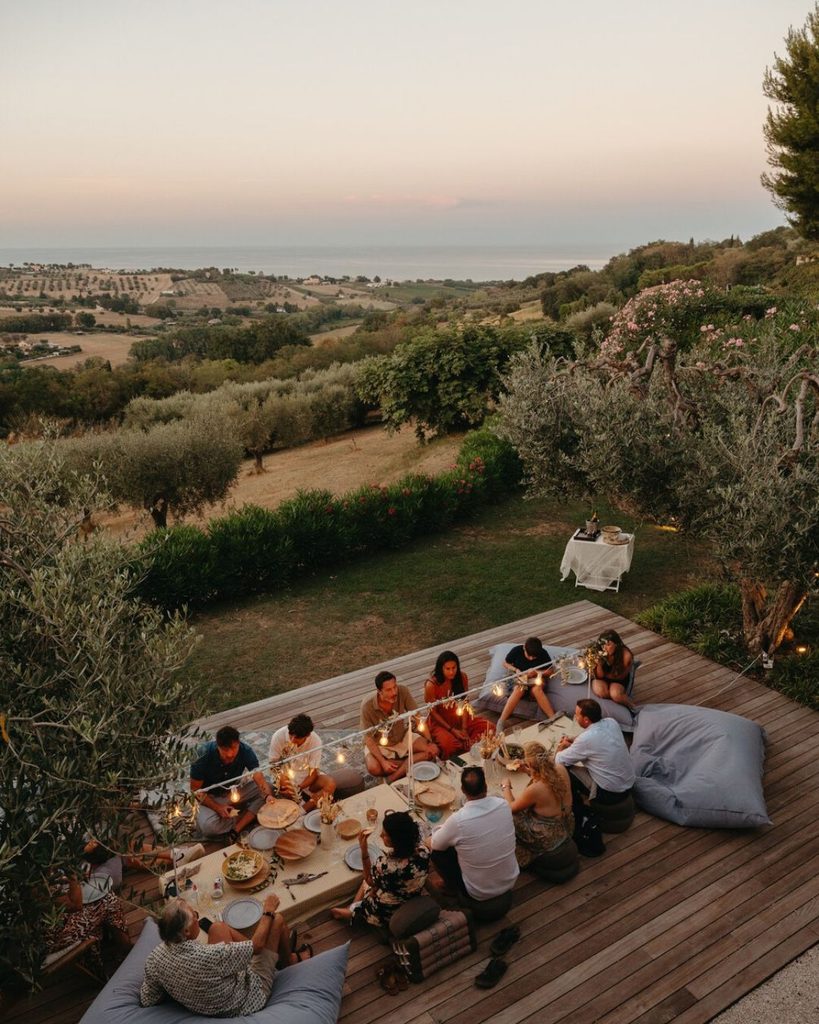
Looking ahead, what are you most excited about developing at Oliveto? Are there new retreats, partnerships or experiences in the pipeline that reflect how you see the estate evolving over the next few years? I am most excited about what I call “rooted rest”: wellness that connects you to place, people and craft. Around 90% of our 2027 retreat bookings now include at least one artisan experience, so guests clearly want to make something, learn something and meet someone, not just rest. We will keep shining a light on the best artisans in our region. We are developing new retreats around this. One is for families, designed to bring three generations back to the same table. Another is a cycling and hiking week for old friends who keep promising each other a trip. There is a sleep retreat for women in midlife, and a craft retreat that introduces guests to the makers of Le Marche. We have also invested in our spaces so that any kind of wellness can happen here. With eight reformers, aerial yoga, barre, Pilates and yoga in our studio, and a gym with views of the sea, Oliveto is the only private estate we know of that brings all of these together in one place with bookings already being taken for 2028 and 2029. Above all, I want Oliveto to keep doing what my Nonna did so naturally: bringing people together around a table, in a place they will never forget. She never used the word wellness. She simply knew that good food, time outdoors and the people you love are what make us whole. Sometimes the simplest things are the most healing of all. |
Related Reads: Meet the Family Behind La VidA, Mendoza’s MICHELIN-Starred Dining Experience