Meet the Founders Putting Sparkling Tea on the Menu at 150+ Michelin-Starred Restaurants
The drinks served at a fine-dining table can say as much about the experience as the food itself, from the provenance of the ingredients to the craft behind each bottle. Yet tea has traditionally occupied a different place in restaurant culture, more often served as a hot drink than treated as a considered part of the meal.
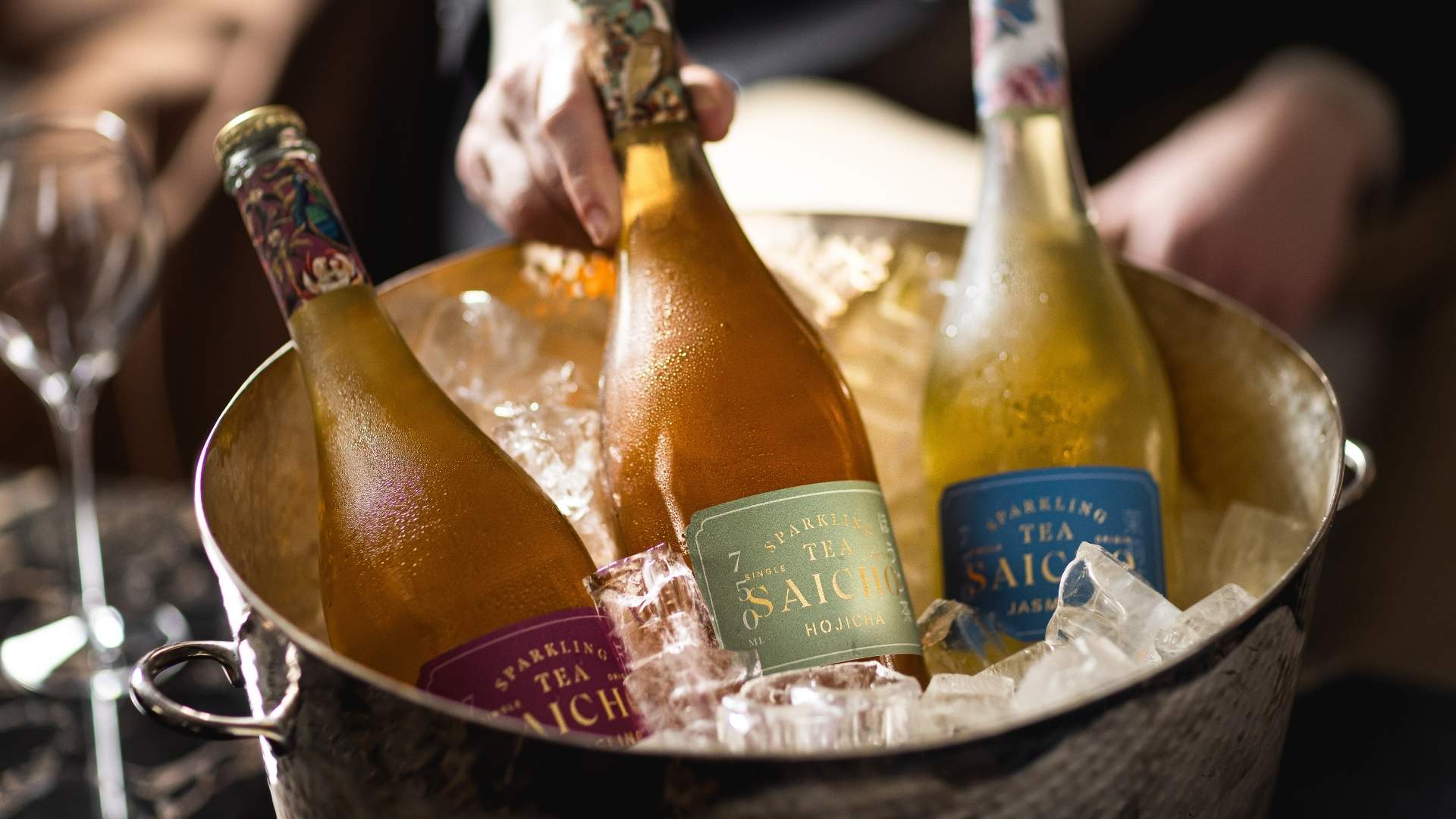
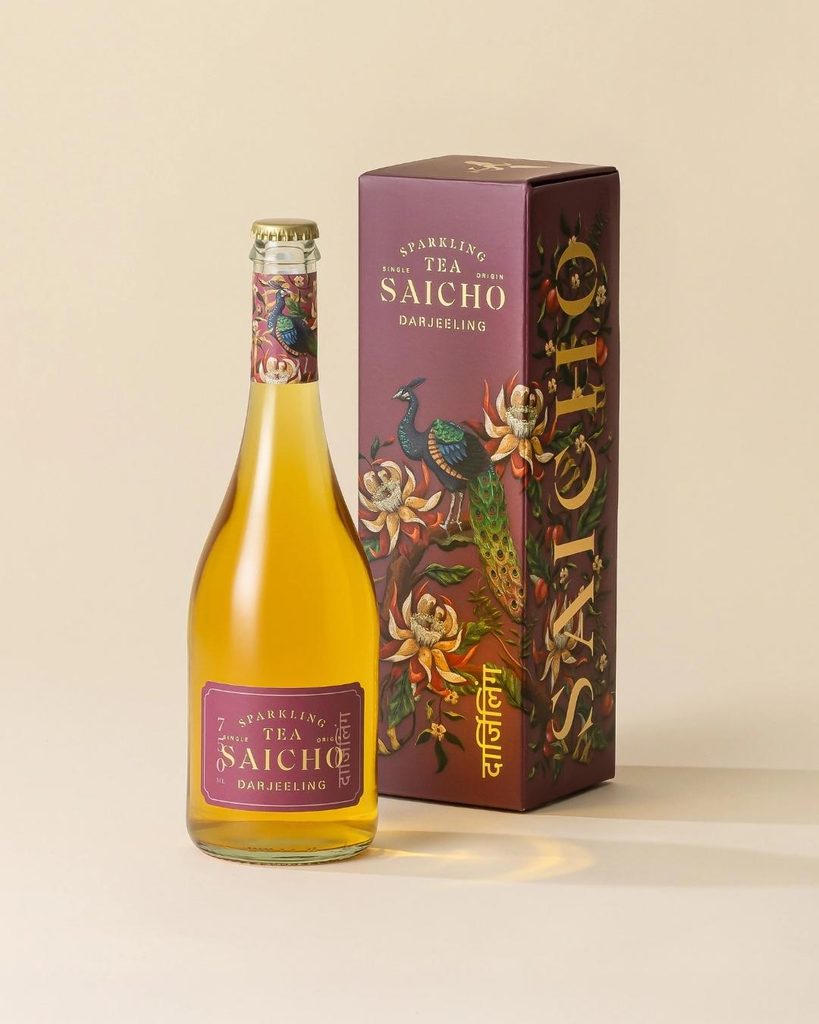
Saicho, founded by Charlie and Natalie Winkworth-Smith, is helping to broaden that perspective with its range of 0% alcohol, single-origin sparkling teas. Made with leaves sourced from tea-growing regions in India, China and Japan, the range brings together the character of traditional tea and the format of a sparkling drink, now found on the menus of restaurants and bars internationally.
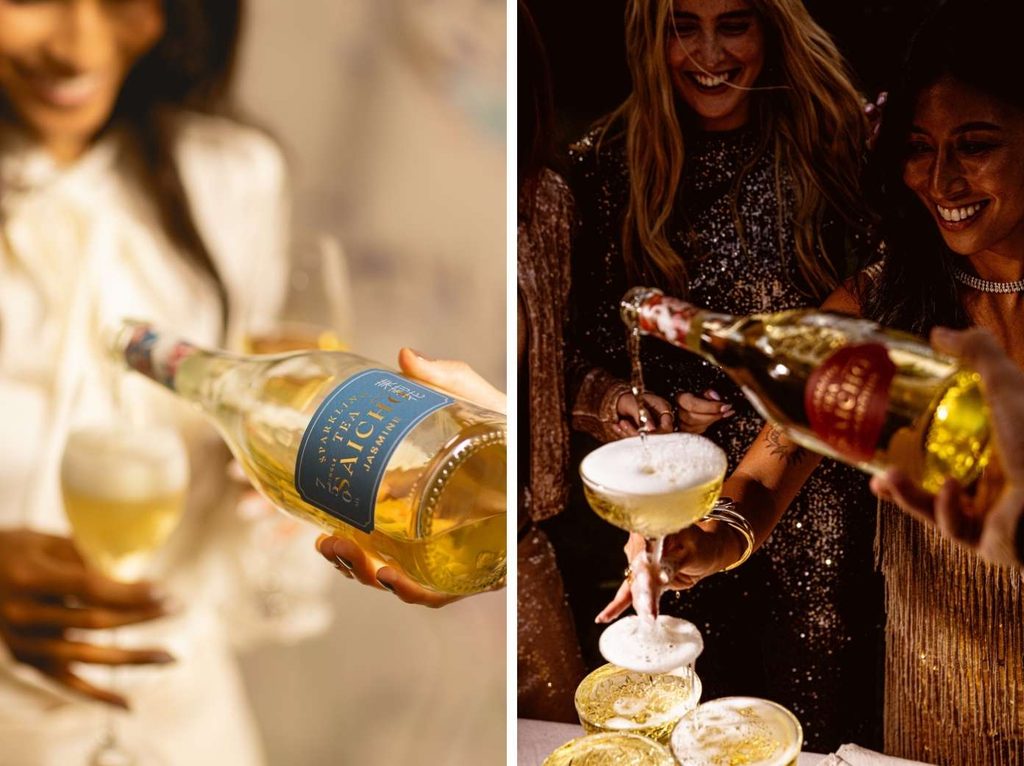
Saicho’s sparkling teas are now served in more than 150 Michelin-starred restaurants, including Core by Clare Smyth, Alain Ducasse at The Dorchester and Da Terra in London. Its growing presence on fine-dining menus reflects a wider shift towards giving non-alcoholic drinks the same consideration as wine, with flavour, provenance and food pairing taking centre stage.
Natalie, your experience of not being able to drink alcohol was one of the catalysts for Saicho. What did you feel was missing from the non-alcoholic drinks available at the time?
What I was really looking for was a sense of connection to the meal. At a fine dining table, every glass of wine came with a story: where it was grown, who made it, why it had been chosen for that dish. I wanted something that offered the same provenance and complexity, and that had been made with food in mind. I grew up in Hong Kong, where tea is at the heart of every meal, so it seemed natural that one of the most complex ingredients in the world should have a place at that table too.
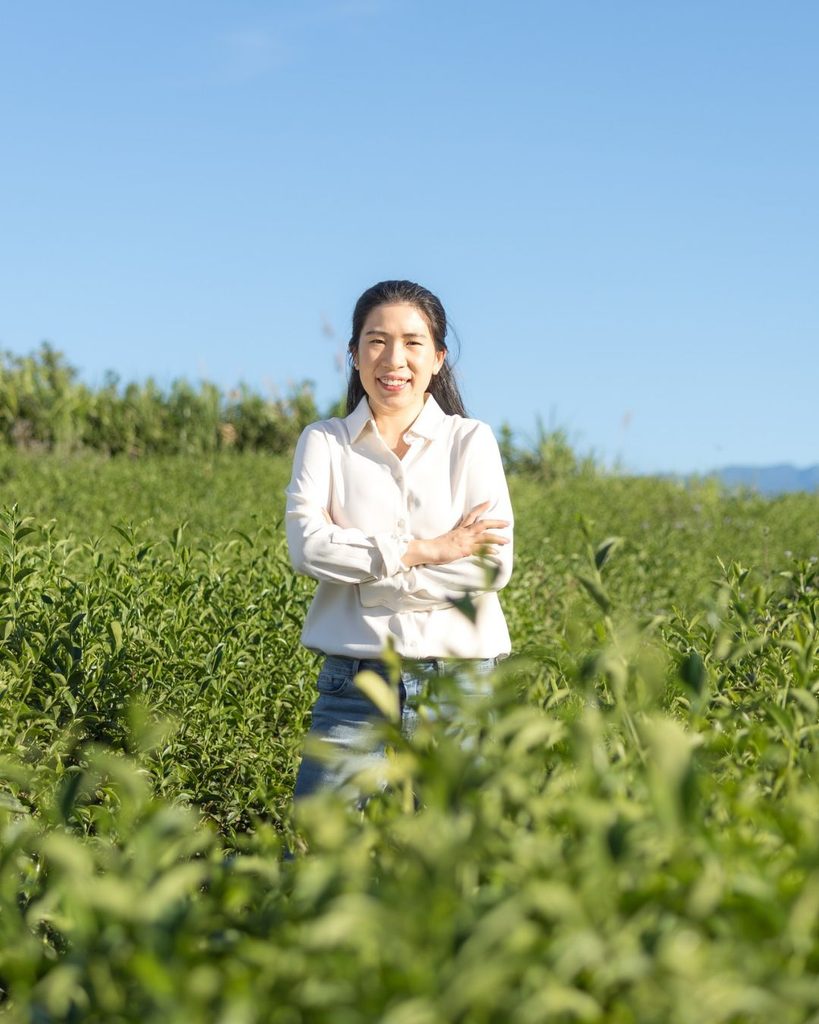
What made you realise this was more than an idea and that there was an opportunity to build a business around it? The response from chefs and sommeliers. When we shared early versions, they didn’t treat it as a curiosity. They tasted it the way they would a wine, started talking about which dishes it would suit, and asked when they could put it on their menus. Friends kept asking for bottles to take to dinners and celebrations. Once Hong Kong embraced it as our first market, we knew there was a business to build. |
You spent two years experimenting with hundreds of different teas before settling on your first varieties. What were you looking for in a tea that would ultimately become Saicho? Character that would hold. A tea can be beautiful when brewed hot and then completely lose itself once it is cold brewed and sparkled, so we were looking for leaves with real structure, natural tannin and aromatics strong enough to carry through. Each one also had to express a clear sense of place and have the depth to stand up to food. Just as important were the growers. We wanted single origin gardens where we could build lasting relationships, such as the Gopaldhara Estate in Darjeeling, so the quality would be there season after season. |
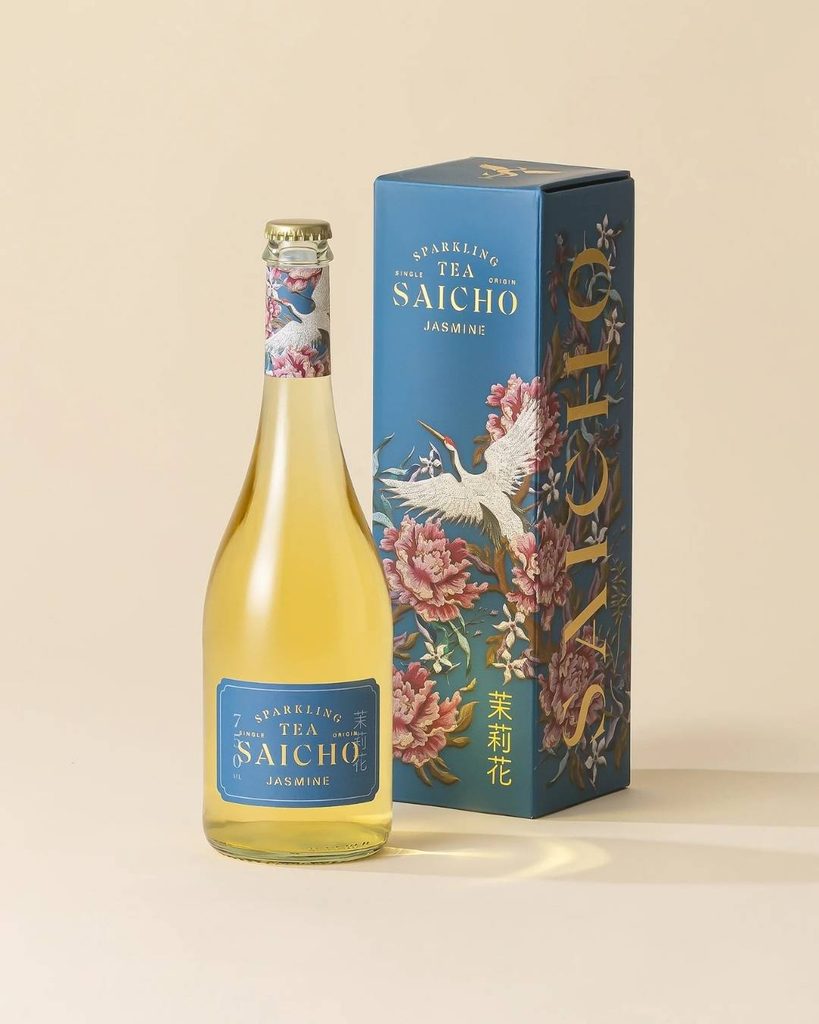
Your range now spans teas including Darjeeling, Jasmine, Hojicha and Osmanthus. Which would you recommend for someone discovering Saicho for the first time, and which is your personal favourite? For a first taste, I would suggest Jasmine. It is fresh and floral, with notes of apple, lychee and vanilla, and it is very easy to fall for, especially alongside seafood or a light dessert. My personal favourite is Osmanthus. The oolong is scented with fresh osmanthus blossoms in Fujian during a short window each autumn, a craft that goes back centuries, and it has a honeyed fragrance that still makes me stop every time I pour a glass. |
When you first started Saicho, was your ambition to create an alternative to wine, or did you always see sparkling tea as something that could eventually stand completely on its own? It was always about standing on its own. We never set out to imitate wine or replace it. What we borrowed from wine was the respect: the attention to origin, craft and how a drink behaves with food. Tea has its own thousand-year tradition, and Saicho is meant to be enjoyed for what it is. Most of the people who choose it also drink wine; they simply reach for Saicho when it is the right drink for the moment. |
Pairing drinks with food is a big part of the Saicho experience. How do you approach creating the right pairing, and are there particular cuisines or dishes that work especially well with sparkling tea? We approach it much as a sommelier would, looking at weight, texture, acidity and aromatics, then finding where the tea can either echo the dish or bring contrast. The tannin and the bubbles do a lot of the work, cleansing the palate so every mouthful feels fresh. Darjeeling is wonderful with grilled meats and dark chocolate, Jasmine with seafood and creamy desserts, Hojicha with sushi, mushrooms and earthy cheeses, and Osmanthus with roast duck. Asian cuisines are a natural home, but some of our favourite pairings have come from classic European kitchens. |
What have you learned about building a premium drinks brand that you could never have learned from your academic backgrounds? That the liquid is only the beginning. Our PhDs in food science helped us understand extraction and flavour, and it gave us the patience for two years of trials. What no course could teach us was how much a brand lives in relationships: with growers, with chefs and sommeliers, with the hospitality teams who pour Saicho and tell its story. We have also learned that in luxury, consistency and restraint matter as much as innovation. Every detail, from the glass it is served in to the way a server introduces it, shapes how people feel about it. |
How do you see the role of non-alcoholic drinks evolving within fine dining and the wider luxury hospitality industry? I think the distinction will matter less and less. The best restaurants already recognise that every guest deserves the same thought and generosity in their glass, whatever they are drinking, and that guests increasingly choose by occasion and by dish. We now see Saicho on drinks lists and pairing menus at more than 150 Michelin-starred restaurants, often chosen and poured by sommeliers. The next step is for these drinks to be curated with the same seriousness as a wine list, so that choosing one never feels like a compromise, only another way to enjoy the meal. |
Related Reads: Why Liquid Electrolytes Are Changing the Way We Think About Hydration
* All listings featured in this article were independently selected. However, when you book something through our links, we may earn an affiliate commission. All the images belong to the respective owners.