The English Countryside Is the New It Address for Members’ Clubs
There was a time when a weekend in the English countryside meant a draughty manor house, a lukewarm bath, and dinner at 7pm sharp. But, Nnow? It means a cold plunge at dawn, a ceramics workshop after lunch, and a natural wine list as long as the arm. The countryside hasn’t changed, but the clubs have arrived in the English countryside.
Private members’ clubs in the English countryside are no longer a novelty, they’re the destination. Long the territory of Mayfair townhouses and Soho basements, the country’s most coveted clubs have made a quiet but decisive move to rural England. And they’re not just opening private members clubs, they’re reimagining what a countryside escape actually looks like for a generation that wants community, creativity, and a really good cocktail.
Why Now?
The pandemic did something irreversible to the way people think about space. City members who are paying four figure annual fees for a spot to perch their laptop suddenly wanted somewhere they could actually breathe. The countryside became not just aspirational but urgent. Clubs noticed an opportunity and grabbed it.
At the same time, a new kind of member emerged, younger, more culturally curious, less interested in old-school exclusivity and more interested in what a membership could actually do for their life. The countryside club, with its promise of acres, activities, and a slower pace that still felt elevated, was the obvious answer. The numbers back it up, too. The global private members’ club market is forecast to nearly double. from $31.7 billion in 2024 to $59.1 billion by 2033, growing at an annual rate of 7.2%.
The New Ruralists
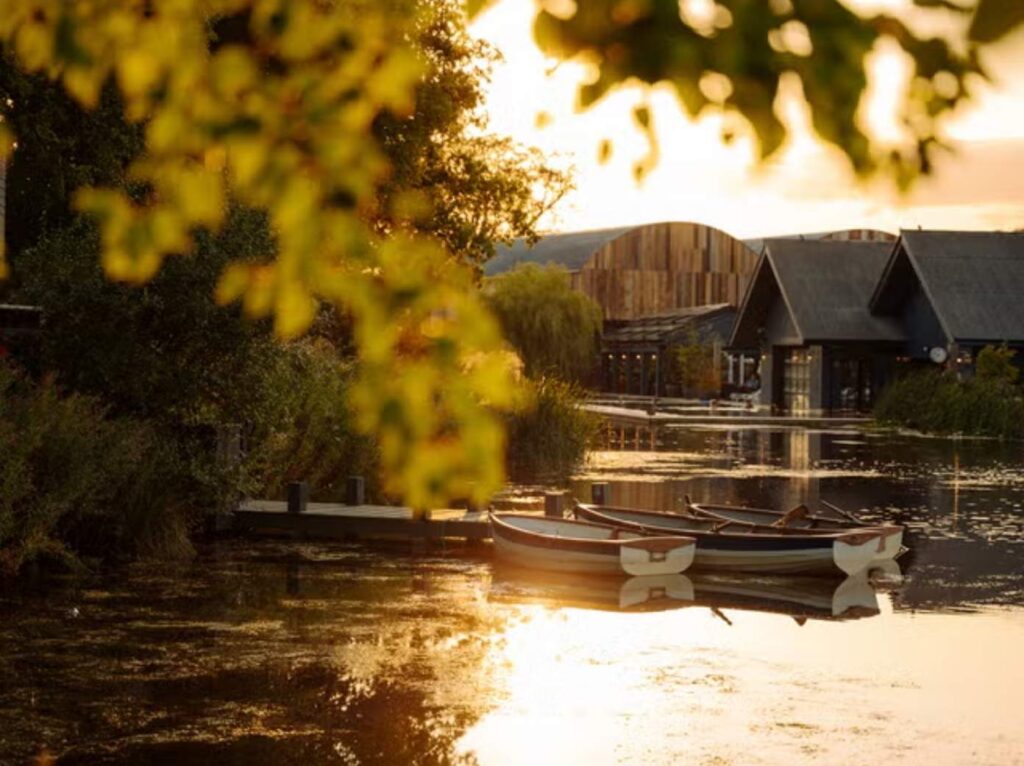
When it comes to private members clubs in the English countryside, Soho Farmhouse set the benchmark back in 2015, and the industry has been chasing it ever since. The Oxfordshire property proved that members didn’t want a country hotel dressed up as a club. They wanted the real thing, from a working farm, a community of like-minded people, boathouses on the lake and a cowshed spa. Aspirational in a way that felt earned rather than stuffy, and the waiting list still tells you everything you need to know about its pull.
The property market has followed suit, Knight Frank found that demand for homes within a 15-minute drive of Soho Farmhouse was more than twice the local average, attracting 2.3 times higher buyer interest in summer 2024. That’s not a coincidence. That’s a club reshaping an entire area of England.
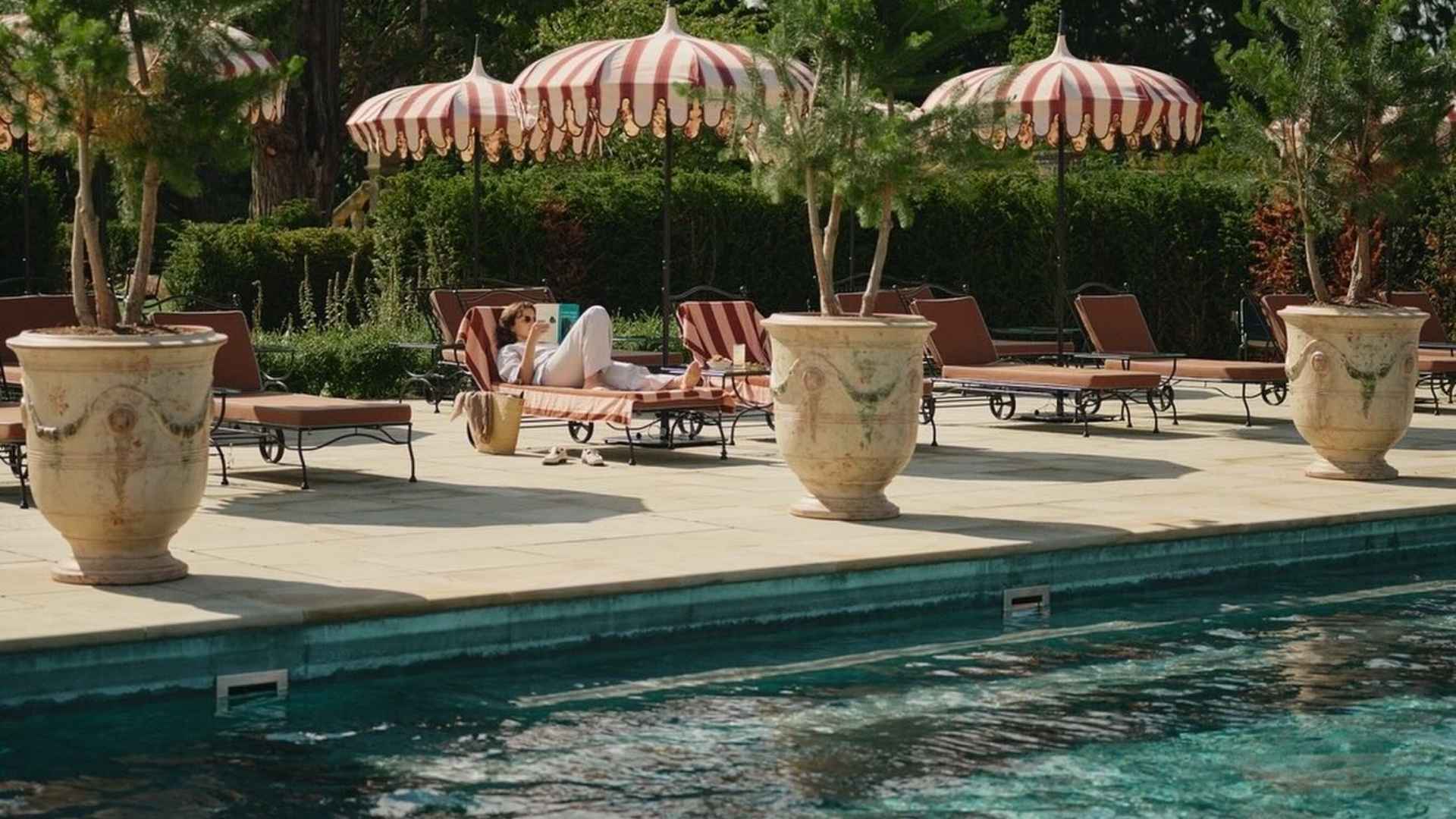
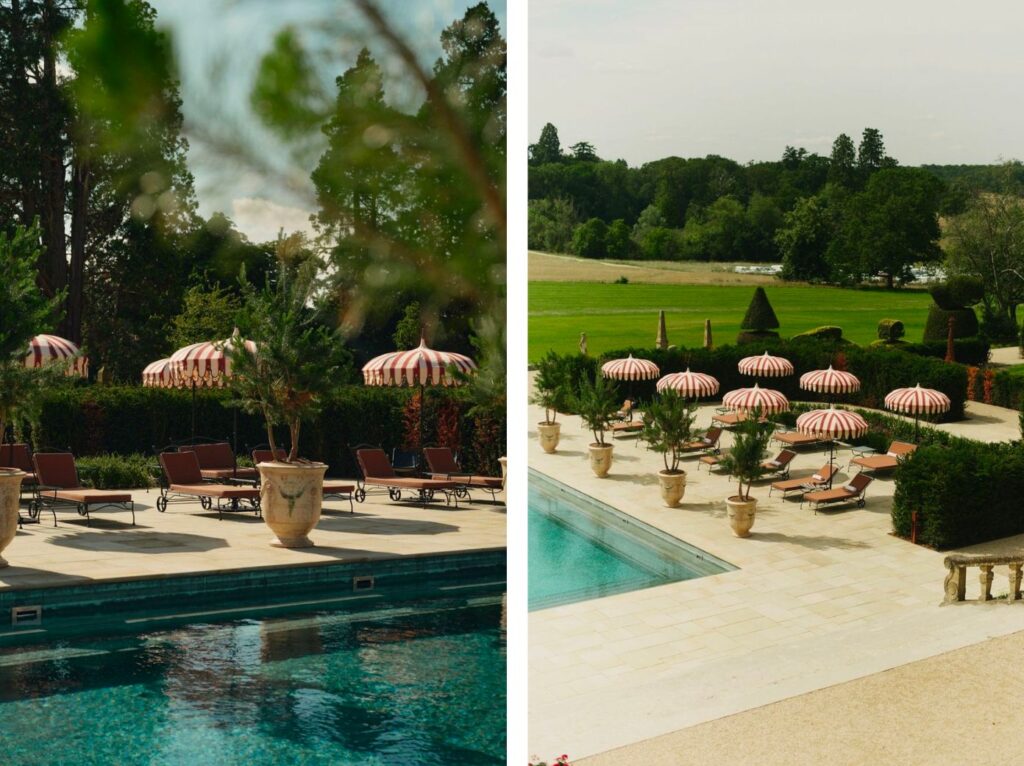
Since then, we have seen the opening of Estelle Manor and Soho Farmhouse are now two of the most in demand English hotels outside of London. Heckfield Place in Hampshire operates with a members’ programme wrapped around its biodynamic farm and deeply considered interiors. Chewton Glen has also quietly evolved its offering to keep pace with a more demanding guest. And then there’s the new wave arriving soon.
And the pipeline keeps filling. The Ned, the City of London’s beloved banking hall turned members club has confirmed plans for a rural outpost within 100 miles of the capital, due within the next five years. The Groucho Club, long synonymous with Soho’s creative scene, has earmarked a Grade II-listed Yorkshire estate for its countryside debut. Even by the standards of this particular boom, that one raised a few eyebrows.
Nobu Heads to the Countryside
The most significant announcement right now is that, Nobu is taking its members’ club model out of the city for the first time. Nobu Woolfox is set within 185 acres in the heart of Rutland, near the Georgian town of Stamford, developed in partnership with the existing Woolfox members’ club on the site. Plans include a Nobu hotel, signature restaurant and bar, curated F&B spaces, spa, branded residences, a swimming pool, gym and landscaped grounds.
Rutland is fast becoming known as the Notswolds, a corner of the East Midlands emerging as a competitor to the overcrowded Cotswolds, close enough to London, Cambridge and Birmingham to work as a serious weekend escape. No opening date has been confirmed yet, but the direction of travel is clear.
Sober, Serious, and Very Much in Sussex
Not every new rural club is chasing the wine list and the natural pool. Some are going in a completely different direction. Long Lane is set to open in 2026 within the South Downs National Park in West Sussex, the UK’s first alcohol-free hotel and private members’ club, housed within the Grade II-listed Dunford House in Midhurst, set across 55 acres. There is no mini bar, no cocktail hour, instead you will find biohacked bedrooms with EightSleep mattresses and air filtration systems, a precision nutrition restaurant using biometric data for personalised menus, and an alcohol-free elixir bar.
What Members Actually Get
The proposition has become surprisingly sophisticated across the board. The best rural clubs now offer a genuine programme, artist residencies, foraging workshops, chef’s table dinners with producers from the estate. It’s the kind of cultural calendar a city arts institution would be proud of, dropped into a walled kitchen garden.
There’s also a practical appeal that doesn’t get talked about enough. For members who’ve migrated out of London or split their time between city and country, a rural club fills a social gap that’s genuinely hard to fill otherwise. Moving to the countryside sounds romantic until you realise your entire social infrastructure stayed in Zone 2. A members’ club with a good bar and a roster of interesting events is, quietly, a lifeline.
The Architecture of It All
One of the most compelling things about this wave is how seriously the design question is being taken. These aren’t renovated gastropubs or rebranded country house hotels. The best new countryside clubs are working with serious architects and interior designers to create spaces that feel genuinely rooted in their landscape, reclaimed materials, working fireplaces, the kind of considered imperfection that takes real effort to achieve.
Post-maximalist countryside, if you want a name for it. Linen and patinated brass. Open fires and original stone floors. Art that looks like someone actually chose it. The English country house, updated for people who have opinions about lighting design.
Where It Goes Next
The trajectory is clear. More clubs are coming, to the Lake District, to Devon, to corners of Britain that have never hosted anything like this before. The question is less whether the model works and more whether the execution lives up to the idea. The English countryside, at its best, offers something no city club ever could, actual silence, actual stars, actual distance from everything that usually presses in. The clubs that understand that, and build around it rather than over it, are the ones that will last.
* All listings featured in this article were independently selected. However, when you book something through our links, we may earn an affiliate commission. All the images belong to the respective owners. Main image Mark Anthony Fox/ Estelle Manor