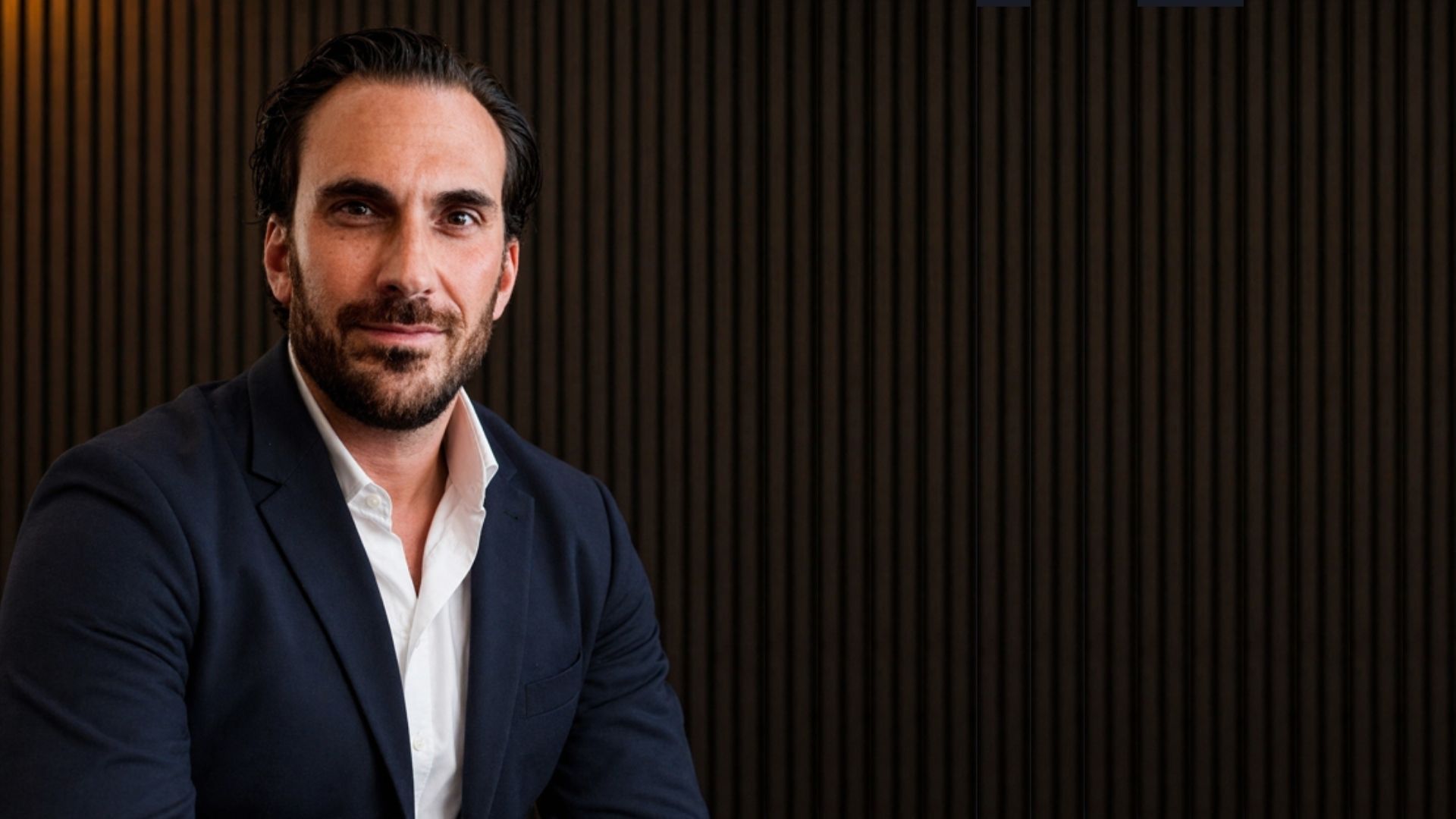
From Operator to Search Partner: Mikail Goek on What Senior Hospitality Hiring Really Requires
Luxury hospitality has quietly undergone one of its most significant reinventions. Leading brands now extend beyond hotels into private residences, yachts, members’ clubs, wellness, branded travel and increasingly hybrid lifestyle concepts. As the boundaries between hospitality, lifestyle and culture continue to blur, senior leaders are expected to move seamlessly between operations, commercial performance, guest experience, talent strategy and brand positioning.
That shift is what led Mikail Goek to launch Urban Hospitality Concepts, a global operator-led executive search and advisory platform for luxury hospitality and lifestyle brands. Through senior operating and advisory roles at The Mandrake, House of KOKO, Maslow’s Mortimer House, Six Senses Place and Nexus Luxury Collection, he worked across very different environments, from private members’ clubs and lifestyle hotels to wellness, fitness, workspace, family-led clubs and hybrid concepts.
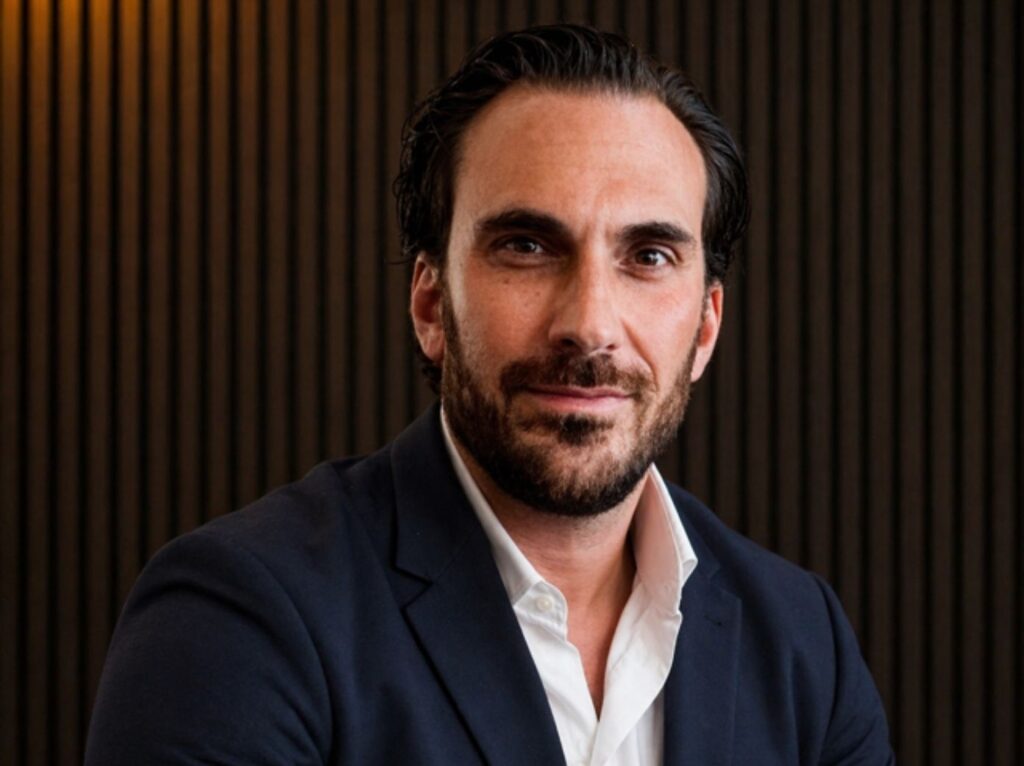
That breadth shaped his view that senior leadership cannot be assessed through a generic lens. While the fundamentals of leadership, standards and commercial discipline carry across, every concept has its own operating model, culture, guest expectations, ownership dynamics and commercial logic. The right person for one luxury environment may not be the right person for another. “The value is not finding people,” says Goek. “It is understanding whether they can actually perform in the reality of the role.”
That distinction is what shaped Urban Hospitality Concepts from the ground up. Built from inside hospitality, it is an operator-led search and advisory partner designed to assess senior leadership against operational reality, not just reputation, presentation or CV.
We spoke to Mikail Goek about what’s really changing inside senior hospitality hiring, and here’s what he had to say:
What do you look for when assessing senior leadership talent? I look beyond the obvious markers. Company names and job titles matter, but they do not tell the full story. I want to understand what someone actually owned, what decisions they made, what pressure they carried and what changed because of their leadership. I listen carefully to how they speak about teams, owners, guests, money, failure and standards. Those answers usually reveal far more than a polished CV. A strong network is useful, but access alone is not the value. The value is judgement: knowing who is right, who is wrong, and why. At senior level, especially in luxury and lifestyle hospitality, the question is not simply whether someone has the right background. It is whether they have the commercial grip, leadership depth, emotional intelligence and taste to perform in the reality of the role. |
You’ve talked about the gap between how candidates present and how they actually perform. How do you identify it? The most compelling candidates in the room are not always the strongest in the role. Some present exceptionally well: articulate, confident, polished CV, strong brand names. But that does not always tell you how they operate when the business becomes difficult. I try to move the conversation away from performance and into reality. I want to know what broke in their first 90 days, what they underestimated, where margins moved, what they personally changed and how their team experienced them when things went wrong. That is where the operator lens matters. I am not only listening for good answers. I am listening for ownership, judgement, commercial awareness and whether they understand the consequences of their own decisions. Some candidates can describe success very well, but struggle to explain pressure, failure or recovery. Others are less polished, but far more credible when you get into the operational detail. Those answers usually reveal the gap between how someone presents and how they will actually perform. |
When it comes to putting candidates forward, how many is the right number?
At senior level, shortlist size is not a measure of value. Clients are not paying for volume. They are paying for judgement, access, discretion and the quality of assessment behind each introduction.
Having sat on the client side of the hiring process myself, I understand how quickly a long shortlist can become inefficient. It creates more conversations, more internal debate and often more noise, not necessarily a better decision.
If the assessment has been done properly, three to five properly evaluated candidates should be enough. Each person should already have been considered against the real business need, the operating environment, the culture, the ownership dynamic and whether they can actually do the job.
That makes the process sharper, more efficient and more respectful of the client’s time. The value is in the depth of assessment, not the volume of names.
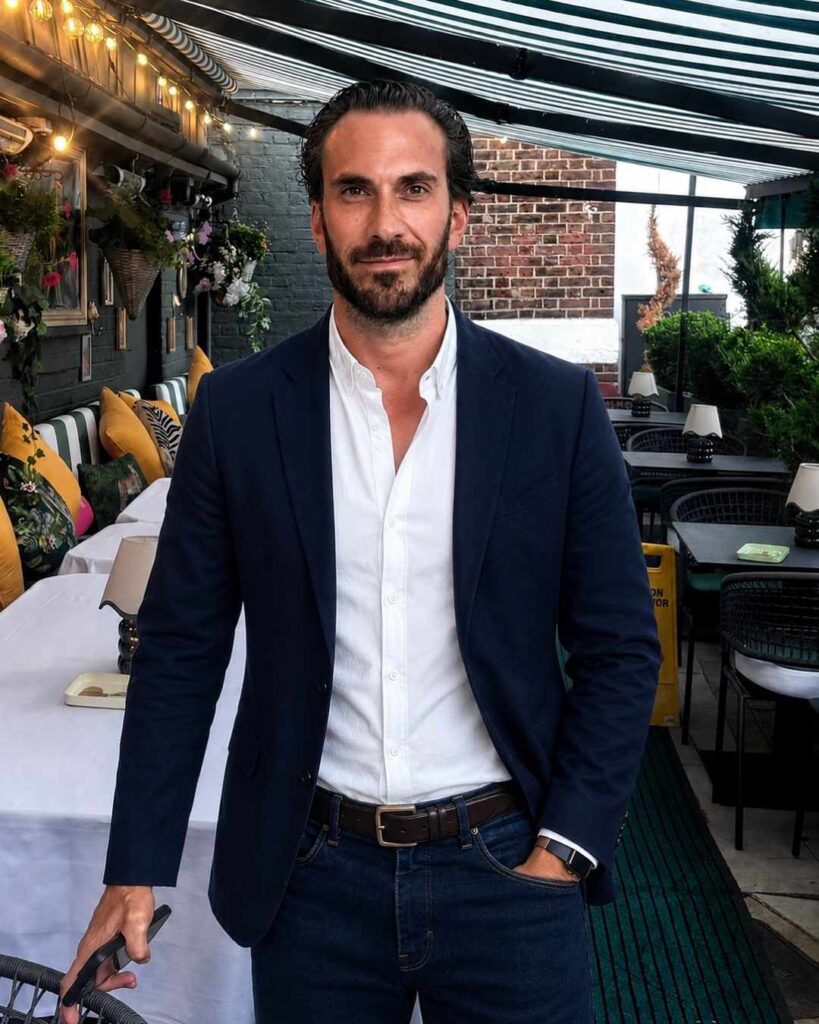
Many brands already have internal recruitment teams. Where does your work add value? Internal teams are important and many do very good work. My role is not to replace them, but to act as a discreet extension when the appointment is senior, sensitive, complex or strategically important. At that level, the market is often not visible. The right person may not be actively applying, and the strongest candidates are not always the most obvious ones on paper. You have to know where to look, how to approach them and how to assess whether they can actually carry the role. That is where an operator-led search partner adds value. I understand the realities behind the job title: the pressure from ownership, the commercial expectations, the team dynamics, the guest experience, the standards and the pace of decision-making. So the value is not simply producing names. It is filtering the market with judgement before it reaches the client, and only introducing people who have a credible chance of performing in that specific environment. |
What are the real consequences when a senior hire goes wrong? A wrong hire at senior level is not simply a recruitment mistake. It is a brand and business risk. At this level, most candidates know how to present a strong narrative. The interview can sound convincing, the CV can look impressive and the brand experience can create confidence. But if the assessment does not go deeper into real scenarios, ownership, decisions, pressure, failure and measurable impact, the real capability often only becomes visible once the person is already in the role. That is usually when the cost appears. Standards drift, key people leave, owner confidence erodes, openings slip and the guest experience begins to disconnect from the brand promise. The damage is rarely immediate on day one. It often becomes visible three to six months later, when the business has already lost time, momentum and trust. That is what makes senior hiring, at this level, an act of brand protection. |
What advice would you give to owners or CEOs making a senior appointment? Do not over-index on the CV. A strong CV can create false comfort. Be clear on the business reality before defining the candidate profile. Are you hiring for an opening, a turnaround, a stabilisation phase, a growth platform or a culture reset? Those require different leadership muscles. It is also important to understand the environment the person is stepping into. A privately owned business, with close ownership involvement, a strong founder personality or very specific expectations, may require a different level of resilience, flexibility and stakeholder management than a more institutional brand with established systems, governance and standards. Neither environment is better or worse, but they require different types of leaders. The mistake is assuming that success in one setting automatically translates into another. That is why I always look at the role in context: the ownership dynamic, the pace of decision-making, the level of structure, the culture and the real mandate behind the appointment. And do not confuse charisma with capability. |
What is the long term vision for Urban Hospitality Concepts? The vision is to build Urban Hospitality Concepts into a trusted global executive search and advisory platform for luxury hospitality and lifestyle brands. I am not interested in building a volume recruitment business. The ambition is to work closely with owners, investors, CEOs and senior operators where leadership decisions genuinely matter. For me, the long-term value is in becoming a discreet, operator-led partner to brands that need more than access to candidates. They need judgement, market understanding and the ability to assess whether someone can actually perform in the reality of the role. The focus is quality, discretion, trust and long-term relationships. I want Urban Hospitality Concepts to be known for senior leadership work where the assessment has depth, the advice is honest and the outcome protects the business. |
For operator-led senior leadership search and advisory across luxury hospitality and lifestyle brands, visit Mikail Goek at www.urban-hospitality-concepts.com
This post is sponsored by the Urban Hospitality Concepts